
IOGP Europe’s assessment of the European Commission’s recommendations under the EU Methane Regulation and the continued need for targeted amendments
Dear Ambassador,
IOGP Europe and the oil & gas sector remain committed to supporting the EU’s methane reduction objectives and to working constructively with Member States and EU institutions to achieve a proportionate, effective and legally robust implementation framework.
The Commission’s recommendations published on 20th July 2026 are welcome recognition that practical challenges remain in implementing the Regulation while safeguarding Europe’s security of supply is critical.
However, they do not, on their own, provide the legal certainty and predictability required by companies, competent authorities and Member States. We appreciate that these concerns have been already raised by Member States in recent discussions, including by the 17 EU Member States delegations supporting the non-paper on EU Methane Regulation and 15 Energy Ministers who vocally addressed the issue at the Energy Council on 26th June 2026 and almost 20 delegations during the COREPER meeting on 15th July 2026. In these discussions, Member States recognised the structural challenges in the Regulation’s implementation framework and called urgently for targeted amendments of the regulation.
Recommendations on optional model clauses and compliance pathways
IOGP Europe welcomes the Commission’s recommendation on compliance pathways, in particular, the recognition of compliance solutions in line with industry proposal, including constrained book-and-claim approaches. However, their effectiveness will depend on such systems being fully operational and accessible across all exporting regions.
With less than six months remaining before key import requirements enter into force, companies are already negotiating crude oil and gas imports contracts now and face significant challenges in developing and operationalizing the necessary compliance systems, particularly across complex international supply chains. While the Recommendation sets out 14 criteria for compliance solutions, further detail will be needed to provide certainty as to which existing schemes are considered consistent with those criteria. Developing that clarity is likely to take additional time, leaving companies with an even shorter period to implement compliant solutions before the importer obligations apply.
Lastly, we would like to highlight that key compliance barriers still remain despite these recommendations. While monitoring and reporting pathways are developing, verification requirements remain a major bottleneck due to the lack of recognised standards and uncertainty around third-country verification frameworks (including verification methodologies, verifier capacity, accreditation) and pending secondary legislation. As a result, importers still lack a reliable way to demonstrate full compliance for many supply sources, creating ongoing legal, contractual, and reputational risks.
Recommendations on penalties
The Recommendation's recognition that Member States may extend the same grace period for penalties to Union oil and gas producers where necessary to safeguard security of energy supply is a positive step.
However, as the Methane Regulation remains fully applicable, companies continue to face legal uncertainty and risks associated with potential non-compliance. The suspension of penalties should therefore be matched by a corresponding three-year postponement of the implementation deadlines through targeted amendments to the Regulation. This would ensure consistency between the enforcement approach and the underlying legal obligations, while providing the necessary timeframe to establish effective compliance systems.
This recommendation acknowledges that security of supply considerations may justify temporary regulatory flexibility and should also serve as a basis for targeted amendments to the domestic provisions in the EU Methane Regulation, ensuring this principle is embedded in binding legislation and applied consistently across Member States.
Targeted amendments remain essential to ensure legal certainty and security of supply
IOGP Europe therefore encourages Member States to continue supporting the introduction of fast-tracked targeted amendments, in particular those articles related to import requirements in Chapter V of the EU Methane Emissions Regulation that depend on global availability of compliance tools like verification, accreditation and certifications.
Moreover, targeted amendments should be also introduced to key requirements under the domestic provisions, including Article 12, Article 14 and Article 19. Such amendments would preserve the EU’s methane reduction ambition while ensuring practical implementation, maintaining a level playing field between EU producers and international suppliers, and providing the legal certainty necessary for both domestic operators and importers to meet their obligations while supporting secure and reliable energy supply.
With the recommendations now published, it is clear why industry, represented by 75 organisations and companies, key oil and gas supplier countries and a majority of Member States have continued to raise concerns regarding legal certainty, implementation and security of supply. There is still time to introduce the necessary amendments, but action is needed urgently, as every week of delay makes an orderly solution more difficult and commercial decisions are already being taken now.
Recommendations cannot amend the binding obligations and deadlines set out in the Regulation. Companies would therefore continue to face legal and reputational risks while relying on non-binding guidance to manage compliance risks. Fast-tracked targeted amendments remain the only robust solution to align obligations, timelines with the reality of compliance options and enforcement, ensuring a clear and predictable framework for companies, Member States and authorities.
Signed
François-Régis Mouton de Lostalot
IOGP Europe, Managing Director
- Publications
- News
- Events
IOGP Europe’s Response to the Open Public Consultation on CSDDD Guidelines
IOGP Europe response to the European Commission’s consultation on the revised Maritime Spatial Planning Directive / Ocean Act
Call to enable CO₂ Storage in the Baltic Sea Region under the Helsinki Convention
Joint statement on the European Commission’s Grids Package

IOGP Europe’s Consultation Response to the Revision of REMIT Reporting

IOGP Europe position on Industrial Accelerator Act and recommendations for modifications

IOGP Europe’s response to the Public consultation on the renewable energy framework (post-2030 RED) for the decade ahead

EU Methane Regulation Joint Statement ahead of next European Council and TTE Council of June 2026

IOGP Europe response to the European Commission’s consultation on the revised Sector Agnostic ESRS
Joint Letter on EU-UK ETS Linkage

IAA: 14 associations call for greater ‘Permitability’ in Europe’s industrial framework

IOGP Europe’s response to the European Chemical Agency’s (ECHA) Socio-Economic Committee (SEAC) draft Opinion of the proposed ‘Universal-PFAS

Socio-Economic Analysis for a Reach Restriction Proposal on PFAS in the Upstream Oil & Gas, Oil Refining and Fuel Distribution Sectors, and in Carbon Capture and Storage

Joint Industry Statement: CO2 Transport infrastructure, enabling a pragmatic framework for early market development

Joint statement on measures to enhance the Union’s security of energy supply
IOGP Europe’s Response to the Revision of national targets and flexibilities in the EU climate policy framework after 2030
IOGP Europe’s input to the Public Consultation on International Carbon Credits
IOGP Europe’s recommendations for further improvements to the Revised General Block Exemption Regulation (GBER)
Successful CCS deployment requires amending the Net-Zero Industry Act Regulation (NZIA): Aligning EU CO₂ injection capacity with an integrated value chain approach

Joint industry recommendations for simplification of the importer requirements of the EU Methane Regulation

Extraordinary taxation risks undermining Europe’s security of supply and energy autonomy

Joint industry recommendations on DG ENER Guidance on penalties for the EUMR

Joint Letter: Urgent call for targeted amendments to the Methane Emissions Reduction Regulation through the EU simplification agenda including the stop-the-clock

IOGP Europe response to EU Taxonomy Consultation on the Technical Screening Criteria Delegated Act amending the Climate Delegated Act
IOGP Europe recommendations on workable solutions for the upcoming CO2 markets and infrastructure legislative proposal
IOGP Europe’s response to the European Commission’s Call for Evidence on EU Arctic Policy

Joint Letter: Delivering Europe’s Hydrogen Ambitions – Joint Industry Roadmap Ahead of the First European Hydrogen Forum

Joint Letter in the context of Europe’s Response to High Energy Prices – Concerns Regarding a Natural Gas Price Cap

Reforming energy taxation, charges and levies to support affordability
IOGP Europe’s response to the Stakeholder Consultation on MoP (Annex VII – Inside Information)

Joint Statement of the Informal Coalition on Permitting (ICP)
IOGP Europe’s response to the Targeted consultation on assessing the usefulness of ISO 20022 standard for REMIT Exposure data reporting

Delivering on the Omnibus I simplification mandate: IOGP Europe position on the draft Sector-Agnostic European Sustainability Reporting Standards (ESRS)

Upstream Oil & Gas and CCS operations in Europe: Perspective on a proposed EU Universal-PFAS Restriction
EU Methane Regulation: Joint letter to enable import provisions implementation
IOGP Europe’s response to CO₂ markets and infrastructure public consultation

IOGP Europe calls for simplification of the hydrogen regulatory framework through the Omnibus Package

Joint Statement: calling for reducing methane emissions while ensuring EU energy security

IOGP Europe response to the EU Taxonomy – review of Climate and Environmental Delegated Acts consultation
IOGP Europe’s response to the call for evidence on Foreign Subsidies Regulation (FSR)

Recommendations on the proposed new EU funding architecture under the MFF (2028-2034)

EU Methane Regulation: Addressing the tracing issue to improve compliance

Joint industry letter ahead of the plenary vote on the First Omnibus Simplification Package

IOGP Europe recommendations to help the EU restore its security of supply and competitiveness through flexible and resilient energy markets.
IOGP Europe’s response to the call for evidence on the General Block Exemption Regulation (GBER)
Amended ESRS Exposure Draft July 2025 Public Consultation Survey
Ten action points for a Hydrogen Grids Strategy
IOGP Europe Letter to Competitiveness Council
IOGP Europe’s response to Draft T&Cs for the H2 Bank third auction
IOGP Europe input to the Public Consultation on the methodologies for certifying permanent carbon removals
IOGP Europe’s response to draft revision of the REMIT Implementing Regulation on data reporting public consultation

IOGP Europe’s response to Inside information platforms and registered reporting mechanisms under REMIT – Commission Regulation public consultation

IOGP Europe recommendations to address the implementation challenges of the Net-Zero Industry Act’s (NZIA) 2030 CO2 injection capacity objective
IOGP Europe feedback on the Call for Evidence: Simplification of administrative burden in environmental legislation

IOGP Europe input to the Call for Evidence on CO2 market and infrastructure
The Mediterranean: an energy and decarbonization opportunity for Europe

Joint Letter on EU-UK ETS Linkage
Joint letter: Integrating the EU Methane Regulation into the EU Simplification Agenda

IOGP Europe views on the Grids Package

IOGP Europe response to consultation on the Industrial Decarbonisation Accelerator Act (IDAA) and call for evidence

IOGP Europe position on the revision of the EU ETS 1

Action plan to address key challenges on importers’ requirements in the Methane Regulation

IOGP Europe call for simplification of EU permitting

IOGP Europe’s response to the public consultation on the evaluation of Innovation Fund’s operation

IOGP Europe feedback to the Implementing Act on Certification schemes, certification bodies, and audits

Workshop Report: Addressing permitting in the EU: Challenges & opportunities

IOGP Europe’s response to ESMA consults on clearing thresholds under EMIR 3

Joint statement: Urgent need for European Commission to correct course on the draft Delegated Regulation on Low Carbon Fuels

IOGP Europe response to ESMA Consultation on the draft technical standards under the ESG Ratings Regulation

The upcoming Grids Package: a critical opportunity not to be missed for the deployment of a European hydrogen infrastructure

IOGP Europe call for inclusion of the Methane Emissions Regulation in the forthcoming Energy Omnibus Package

Omnibus Simplification Package: Open Letter with Eurogas and FuelsEurope
Unlocking the Black Sea’s Strategic Energy Potential
EU Hydrogen Strategy needs a fundamental reset
Simplification Omnibus Package: towards a proportionate, coherent and efficient sustainability framework for European competitiveness

Our response to the EC questionnaire on LDAR minimum detection limits and first step underground leak thresholds in the EU Methane Regulation

Stakeholder Consultation on the new Innovation Fund auction on industrial process heat decarbonization
IOGP Europe’s response to the call for evidence on Modernisation Fund’s operating rules


Response to the Public Consultation on EU Funding for Competitiveness
Joint Letter: Accelerating investments in CO2 infrastructure

Response to the European Commission’s consultation on the draft Clean Industrial Deal State Aid Framework (CISAF)

Joint statement on the role of LNG in Europe’s energy transition
Response to the EU Consultation on Commodity Derivatives and Energy Spot Markets

Response to the Draft Delegated Regulation on CO₂ Injection Capacity Obligations

Omnibus Simplification Package EU Taxonomy Consultation
Public consultation on inter-temporal cost allocation mechanisms (ICA) for financing hydrogen infrastructure

Joint Position Paper – Extending the ‘Stop-the-Clock’ Initiative to Wave 1 Companies
IOGP Europe response to DG ENVI and Trinomics survey on assessment of environmental reporting and the potential for simplification

IOGP Europe views on the methodologies for the certification of carbon dioxide removals
IOGP Europe views on Communication on the Action Plan for Affordable Energy
Joint Statement: Call for action- Urgent need to recognise third country exports of gaseous fuels under the Union Database
IOGP Europe opposes any extension of the EU gas storage target to 31 December 2027

Balancing Energy Security, Decarbonization, and Competitiveness in Europeʼs Energy Landscape

Feedback to the public consultation on the Net-Zero Industry Act Delegated Act on primarily used components

Advancing a Competitive, Resilient, and Integrated Energy Market

IOGP Europe Response to the Consultation on the Review of the Taxonomy Climate Delegated Act
Joint Statement: Reality Check for European Hydrogen Policy to Adjust the Course
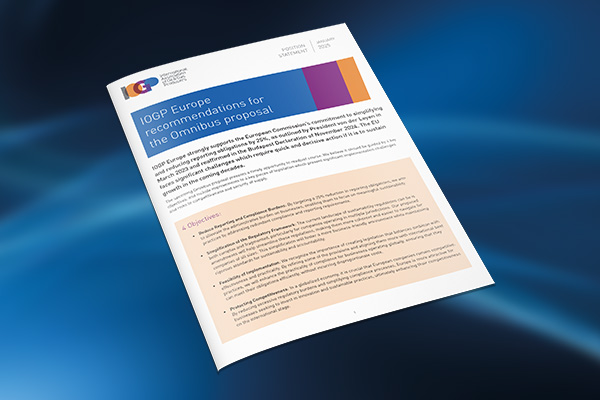
IOGP Europe recommendations for the Omnibus proposal
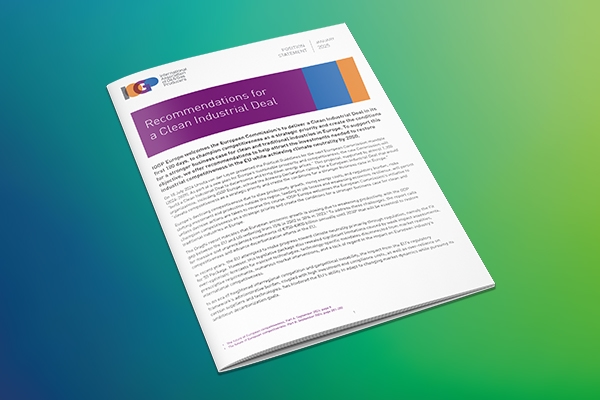
Recommendations for a Clean Industrial Deal
The Case for a European CCS Bank
Joint Trade Association Statement: Towards EU due diligence that works for all
The Joint Statement on the Low-Carbon Fuels certification draft Delegated Act
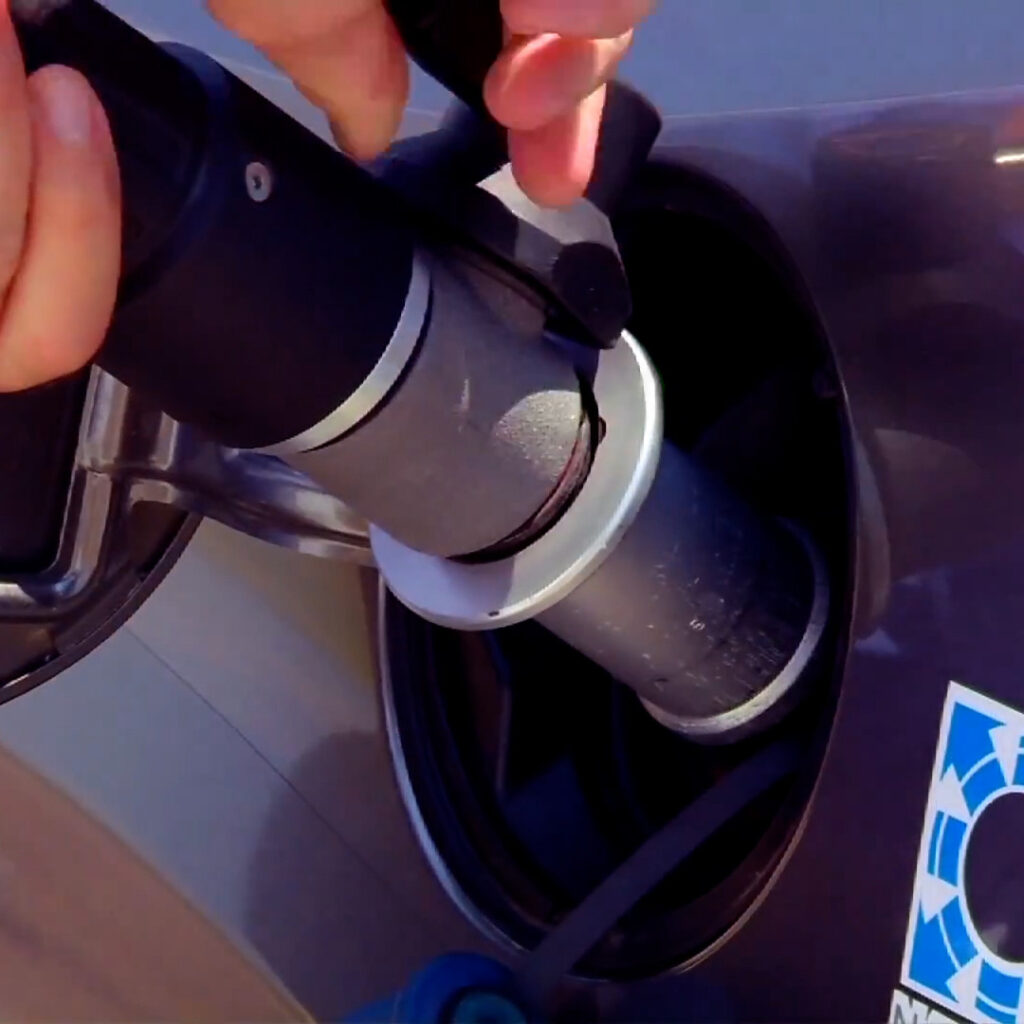
IOGP response to the public consultation on the draft Methodology to determine the greenhouse gas (GHG) emission savings of low-carbon fuels
Joint EGEC-IOGP Europe recommendations: Accelerating the deployment of Geothermal in Europe
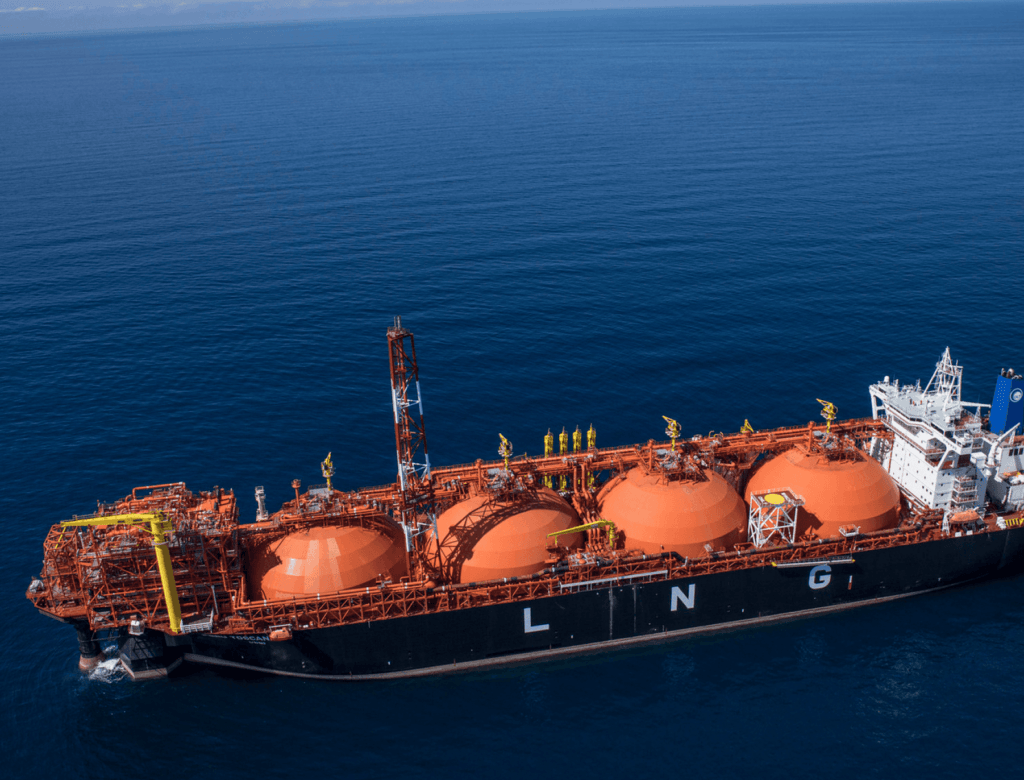
Navigating Towards 2040: The Critical Role of the LNG Industry in Achieving the EU’s Climate Targets
IOGP Europe’s Position on International GHG Supply Chain MMRV Framework
IOGP Europe key principles on a future regulatory framework for CO2 transport infrastructure
Joint Letter- Harnessing the IPCEI mechanism for CCS in Europe
Joint Statement on the Low-Carbon Fuels certification Delegated Act
GasNaturally Letter to Competitiveness Council 23 May 2024
IOGP Europe response to European Commission survey on long-term contracts
Download
IOGP Europe key principles on a future regulatory framework for CO2 transport infrastructure
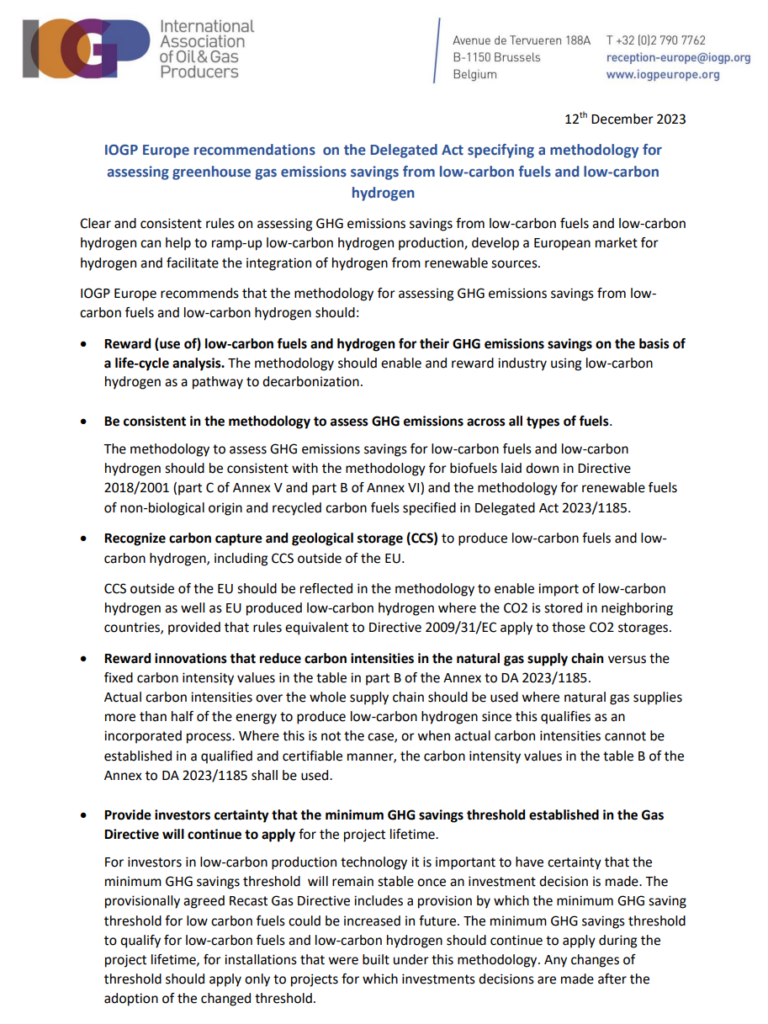
IOGP Europe recommendations on the Delegated Act specifying a methodology for assessing GHG emissions savings from low-carbon fuels and low-carbon hydrogen
EU Taxonomy Stakeholder Request Mechanism
IOGP Europe response to the ECHA consultation on Universal PFAS restriction proposal
Download
IOGP consultation response to draft EFRAG Value Chain Implementation Guidance (VCIG)
Download
Joint industry position on EMIR 3 trialogues
Rebalancing Europe’s Gas Supply Second Edition
IOGP consultation response: Rationalisation of reporting requirements
Creating a sustainable business case for CCS value chains
IOGP Europe statement on the ECHA proposed PFAS restriction proposal related to the Carbon Capture, Transport and Storage (CCS) Technology
IOGP Europe position on the EU Industrial Carbon Management
IOGP response to consultation on the evaluation of the ‘Polluters pays principle’.
IOGP position paper on the European Commission’s public consultation on the EU climate target for 2040
IOGP Europe feedback on Net Zero Industry Act proposal
Joint industry statement on the EU Taxonomy
IOGP Europe views on the EU corporate sustainability reporting framework
IOGP input on the EU Commission’s public consultation on the EU Taxonomy Delegated Acts
IOGP position on capital requirements
IOGP response on Competitive Bidding schemes for hydrogen under the Innovation Fund
IOGP response on revamping the Strategic Energy Technology (SET) Plan
IOGP input on EU Soil Health Law for protecting, sustainably managing and restoring EU soils
IOGP position on Industrial Emissions Directive (IED) revision proposal
IOGP position on Industrial Emissions Portal (IEP) Regulation proposal
IOGP views on the proposed Regulation amending Regulation (EU) 2021/241 as regards REPowerEU chapters in Recovery and Resilience Plans
IOGP position on the Corporate Sustainability Due Diligence Directive (CSDDD)
IOGP response to the consultation on ‘Securing the EU’s winter gas supply (storage measures)’
IOGP response to the consultation on certification of carbon removals – EU rules
IOGP input to the call for evidence on ‘soil health – protecting, sustainably managing and restoring EU soils’
IOGP response to the public consultation on the Hydrogen and Decarbonized Gas Market package
IOGP response to Regulation on methane emissions reduction in the energy sector
IOGP input to the call for evidence on ‘setting the course for a sustainable blue planet, an update of the international ocean governance agenda’
IOGP comments to R. W. Howarth and M. Z. Jacobson (2021): How Green is Blue Hydrogen?
Input to Consultation: Restriction for per- and polyfluoroalkyl substances (PFAS)
Re-Stream – Study on the reuse of oil and gas infrastructure for hydrogen and CCS in Europe
Reaction: Proposed market interventions in context of 2021 energy price rises
IOGP consultation response, review of the Marine Strategy Framework Directive (MSFD)
IOGP response to the public consultation on the Energy Taxation Directive (ETD) proposal
IOGP response to the public consultation on the Renewable Energy Directive (RED) proposal
IOGP feedback to the European Commission’s Roadmap on restoring sustainable carbon cycles
IOGP response to the public consultation on the Carbon Border Adjustment Mechanism (CBAM) proposal
IOGP position on the revision of the EU Emissions Trading System (EU ETS) Directive
IOGP response to the public consultation on the Energy Efficiency Directive (EED) proposal
IOGP feedback on the Platform on Sustainable Finance’s draft report on preliminary recommendations for technical screening criteria for the EU taxonomy

IOGP response to the public consultation on the FuelEU Maritime proposal

IOGP feedback on the Platform on Sustainable Finance’s draft report on social taxonomy
IOGP feedback on the Platform on Sustainable Finance’s draft proposal for an extended taxonomy to support economic transition
IOGP response to public consultation on the revised Climate, Energy and Environmental Aid Guidelines (CEEAG)
IOGP Paper on metric to use for 2030 targets
IOGP input to the consultation on the Hydrogen and Gas Market Decarbonization Package
Response to consultation on costs of implementing MRV regulation based on OGMP
IOGP position on the European Commission proposal on the update of the Corporate Sustainability Reporting Directive
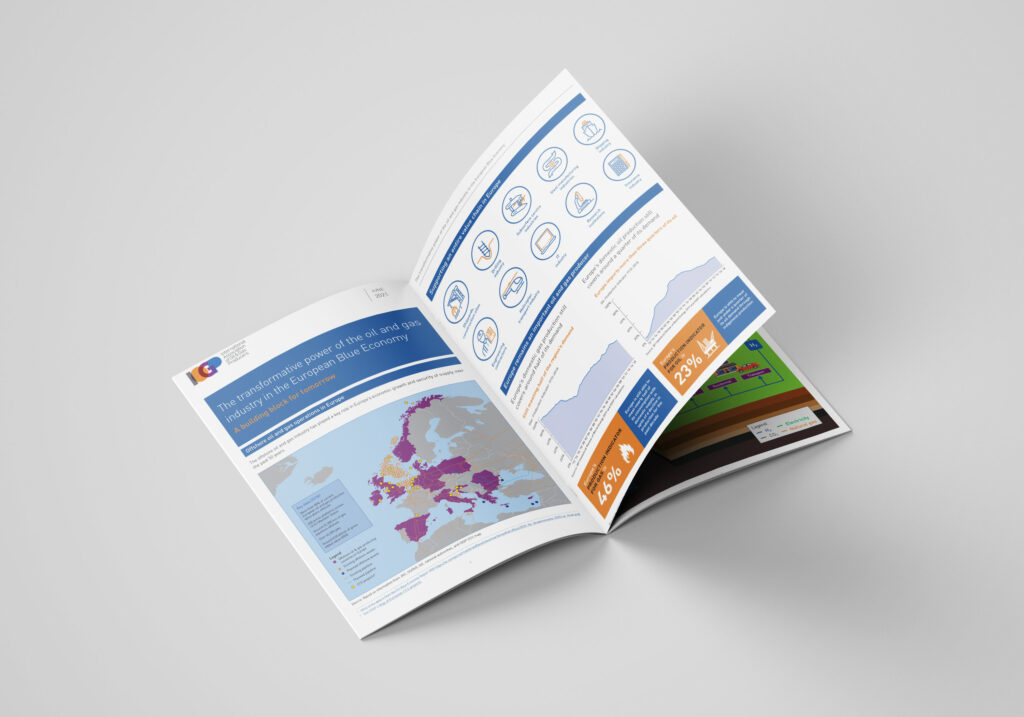
The transformative power of the Oil & Gas industry in the European Blue Economy
FuelsEurope and IOGP position on the Draft Delegated Regulation on taxonomy related disclosures by undertakings reporting non-financial information
IOGP input to Roadmap consultation ‘Protecting the marine environment – review of EU rules’
IOGP response to public consultation on legislation to measure and mitigate methane emissions in the energy sector
IOGP input to the consultation on the new EU Soil Strategy
IOGP response to the roadmap on the modification of the General Block Exemption Regulation (GBER)
IOGP input to the consultation on the Industrial Emissions Directive
Underwater sound – Perspective from the oil and gas offshore industry in Europe
IOGP response to the roadmap and inception impact assessment concerning revision of the 3rd Gas Package
Response to consultation on proposal for an Initiative on Sustainable Corporate Governance
Public consultation on the EU Action Plan “Towards a Zero Pollution Ambition for air, water and soil”
Response to consultation on updating the EU Emissions Trading System
Consultation on the Review and the Revision of Energy Efficiency Directive
IOGP response to consultation on the revision of the Guidelines on State aid for environmental protection and energy (EEAG)
IOGP answer to the EU roadmap on new rules to prevent methane leakage in the energy sector
Response form for the Consultation Paper on the Draft advice to European Commission under Article 8 of the Taxonomy Regulation
IOGP response to the Inception Impact Assessment on the revision of the Guidelines on State aid for environmental protection and energy (EEAG) 2014-2020
IOGP input to the Commission’s Delegated Regulation establishing the technical screening criteria for economic activities contributing substantially to climate change mitigation or climate change adaptation
IOGP written input to the consultation “Maritime sector – a green post-COVID future”
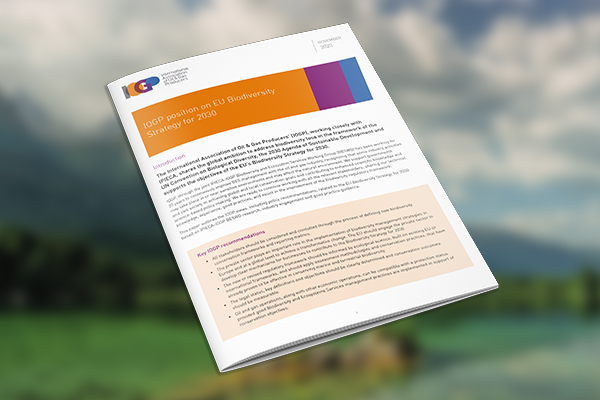
IOGP position on EU Biodiversity Strategy for 2030
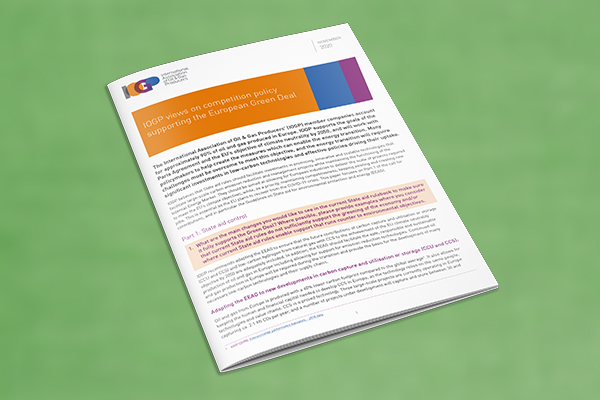
IOGP views on competition policy supporting the European Green Deal
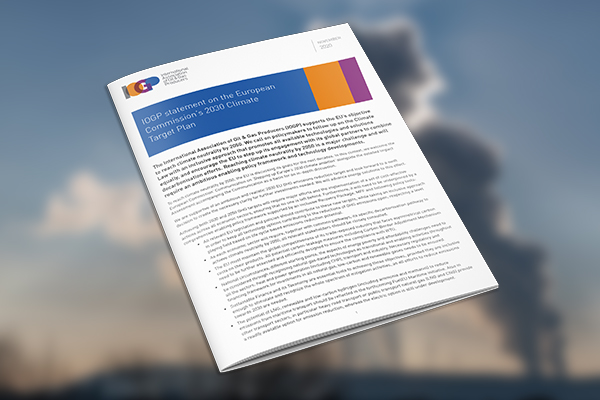
IOGP statement on the European Commission’s 2030 Climate Target Plan
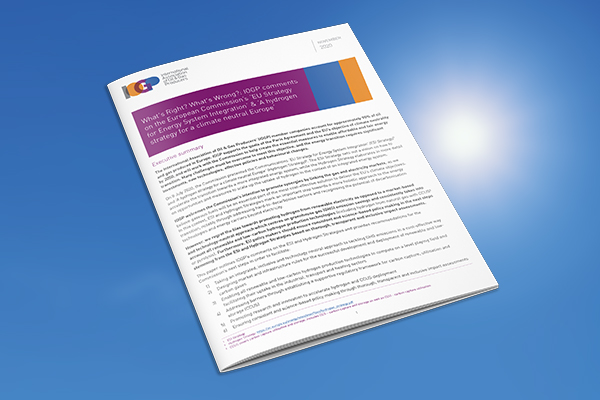
What’s Right? What’s Wrong? IOGP comments on the ‘EU Strategy for Energy System Integration’ and ‘A hydrogen strategy for a climate neutral Europe’
IOGP written input to the public consultation on the Carbon Border Adjustment Mechanism (CBAM)
IOGP views on State aid for environmental protection and energy (EEAG)
IOGP written input to the consultation “International Ocean Governance”
IOGP input to the consultation on the EU nature restoration plan
IOGP written input to the public consultation on the revision of the Energy Taxation Directive (ETD)
IOGP contribution to the public consultation on Commission Decision setting the fees due to ACER for tasks under REMIT
IOGP written input to the consultation “2030 Climate Target Plan”
IOGP response to the inception impact assessment concerning the revision of the 2018 Renewable Energy Directive (REDII)
IOGP input to the public consultation for the FuelEU Maritime – Green Maritime Space Initiative
IOGP input to the IIA on the EC’s Delegated Regulation on taxonomy-related disclosures by undertakings reporting non-financial information
IOGP feedback on the update of EU ETS monitoring and reporting rules (2021-30)
IOGP response to the consultation on ESG disclosures under Regulation (EU) 2019/2088
IOGP input to the consultation on restricting the use of intentionally added microplastics
IOGP response to supplementary questions on the EIB Group’s Climate Bank Roadmap 2021-2025
IOGP response to consultation on the renewed Sustainable Finance strategy
Funding CCS in Europe: key investments for the recovery
IOGP response to the public consultation on the revision of Regulation (EU) 347/2013 on guidelines for TEN-E Regulation
IOGP response to targeted consultation on the revision of Regulation (EU) 347/2013 on guidelines for TEN-E Regulation
IOGP input to the Roadmap on the EU Smart System Integration
IOGP input to the Roadmap on the EU strategy on hydrogen in Europe
IOGP feedback to the Combined Evaluation Roadmap/Inception Impact Assessment on the revision of Regulation (EU) 347/2013 on guidelines for TEN-E
IOGP response to the public consultation on the revision of the NFRD
Sustainability reporting guidance for the oil and gas industry
IOGP feedback to the roadmap for a Renovation Wave initiative for public and private buildings
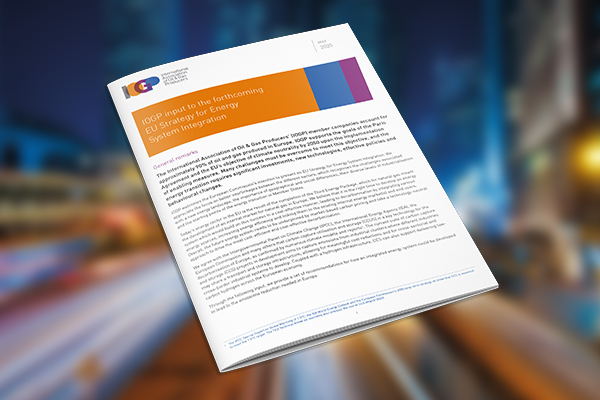
IOGP input to the forthcoming EU Strategy for Energy System Integration
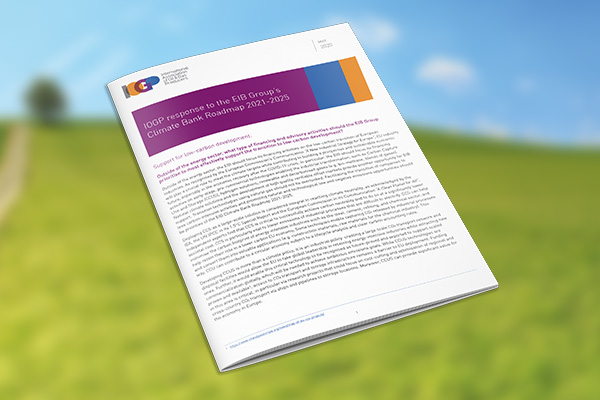
IOGP response to the EIB Group’s Climate Bank Roadmap 2021-2025
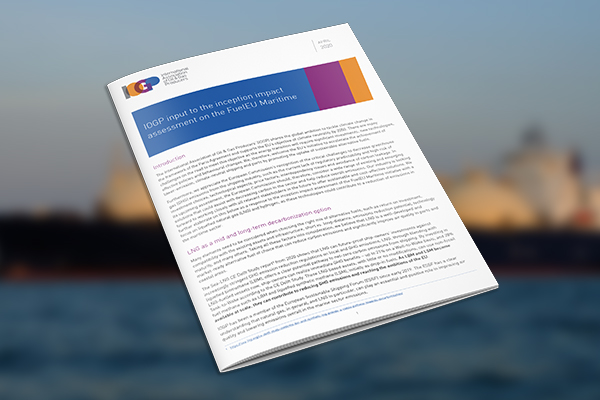
Input to the inception impact assessment on the FuelEU Maritime
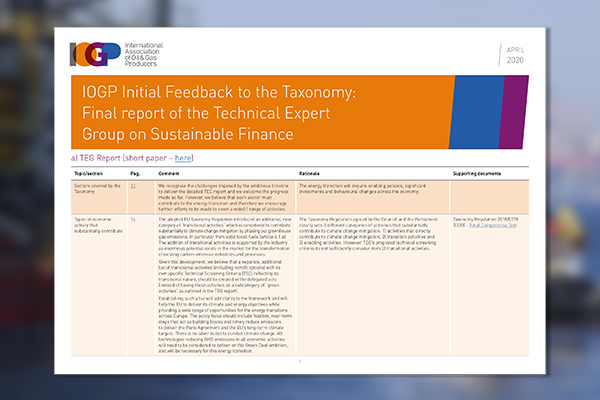
IOGP Initial Feedback to the Taxonomy: Final report of the Technical Expert Group on Sustainable Finance
IOGP feedback to the proposed European Climate Law
Feedback to the impact inception assessment “2030 Climate Target Plan”
Response to the inception impact assessment “Commission Delegated Regulation on a climate change mitigation and adaptation taxonomy”

IOGP input to the Impact Inception Assessment on the Revision of the NFRD
New and old CCS projects in Europe: What’s different this time?
IOGP assessment of National Energy and Climate Plans
Methane Management in the Upstream Oil and Gas Industry: Policy recommendations in the context of the EU Methane Strategy

Scaling up Hydrogen in Europe
Hydrogen for Europe Pre-study – Key findings
IOGP assessment of draft National Energy and Climate Plans
Call for feedback on TEG report on EU Taxonomy
Hydrogen for Europe
The potential for CCS and CCU in Europe Report to the thirty second meeting of the European Gas Regulatory Forum 5-6 June 2019
Global Production Report 2019
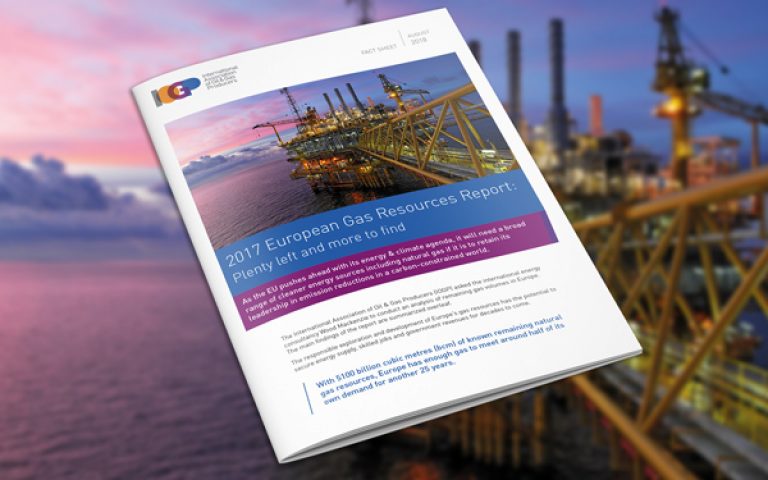
2017 European Gas Resources Report: Plenty left and more to find
IOGP response to the European Commission’s package on sustainable finance Call for a “Talanoa Platform” to guarantee a smart, inclusive and technology-neutral taxonomy
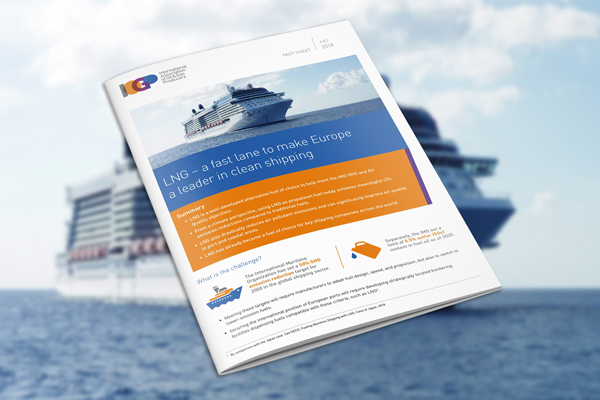
LNG – a fast lane to make Europe a leader in clean shipping
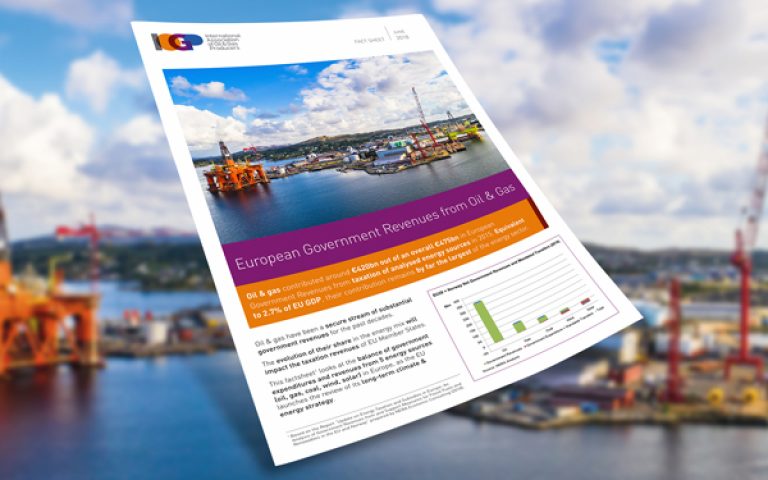
European Government Revenues from Oil & Gas
CCS: the Innovation Fund and beyond
OGP contribution to the CCS Directive evaluation

Majority of EU Member States call for postponement and targeted amendments to Methane Regulation
Joint statement: Commission Recommendations on Penalties are helpful but do not provide industry with the needed legal certainty
Declining number of announced CO₂ storage projects in Europe highlights gap between EU’s 2030 target and operational reality.
IAA: 14 associations call for greater ‘Permitability’ in Europe’s industrial framework
Industry calls for 15 targeted amendments to the EU Methane Regulation to safeguard energy security and preserve environmental ambition

Meet Francesco Mazzagatti, CEO, Viaro Energy
Joint Letter: Europe’s Response to High Energy Prices – Concerns Regarding a Natural Gas Price Cap

EU Methane Regulation Risks Severe Disruption to Europe’s Oil and Gas Supply from 2027
New interactive Data Room goes live
18 organizations call for smarter permitting to support EU competitiveness

IOGP Europe Welcomes 3 New Board Members
Joint Statement: calling for reducing methane emissions while ensuring EU energy security
EU delivers landmark decision in quest to cut red tape, strengthen competitiveness and security of supply
Press Release: European Parliament backs meaningful simplification of sustainability rules
New Pact for the Mediterranean: an opportunity to foster the region’s energy integration
Clean Industrial Deal – How to reconcile climate ambition with industrial resilience?

EU Low-Carbon Hydrogen production rules are not the signal investors were waiting for
Press release: 2040 Climate trajectory requires urgent action on policy enablers
Press release: State Aid Framework for Clean Industrial Deal marks a turn towards pragmatic decarbonization
IOGP Europe welcomes EU Energy Ministers’ call for Inclusion of the EU Methane Regulation in upcoming Energy Omnibus
Press Release: Statement in reaction to the Delegated Regulation on the calculation of obligated entities’ contributions and their reporting obligations under the NZIA

Chris Walker (ExxonMobil), newly appointed Chair of IOGP Europe’s Communications Subcommittee
Press release: Low-carbon fuels methodology envisaged by the Commission will block key hydrogen production pathways
Joint Letter: Accelerating investments in CO₂ infrastructure
Press Release: Roadmap to end Russian energy imports will require policy signals and regulatory adjustments to succeed.

Building energy bridges between Brazil and the EU

MEP Jeannette Baljeu on the Crucial Role of CCS in Europe’s Industrial Transition
EU industrial competitiveness package shows gap between stated vision and action plan
The case for unrestricted US LNG exports to Europe
Draghi Report: a pragmatic pathway to Competitiveness, Sustainability, and Resilience
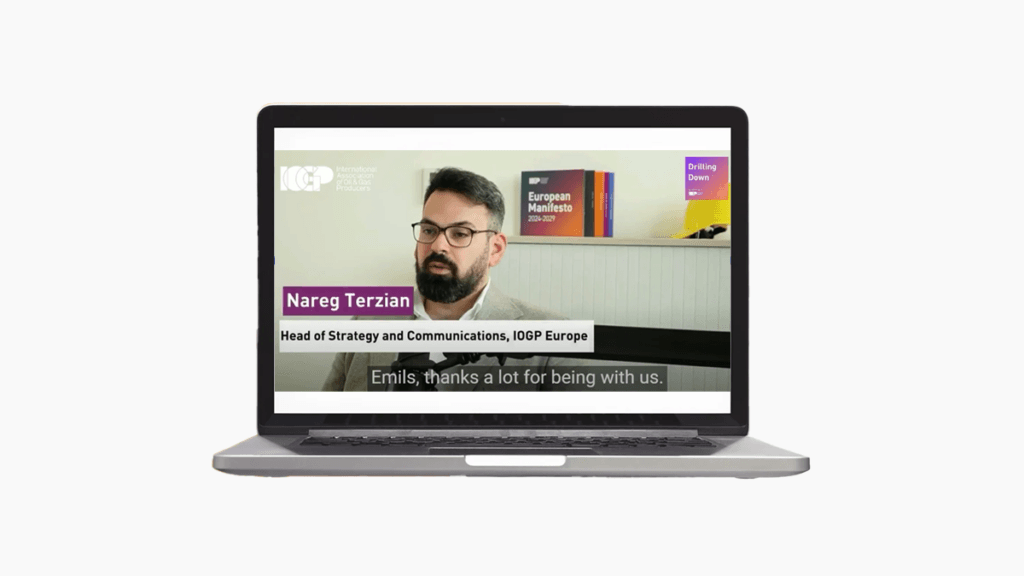
Navigating the EU Methane Regulation: Insights & Challenges
EU Approves Methane Regulation: What’s Next for the Industry?
REPowerEU anniversary: cause for celebration and caution
IOGP Europe joined BusinessEurope in industrial permitting task force
IOGP Europe signs the Antwerp Declaration
Press release: Recognition of CCS on path to 2050 marks a step change, but approach to low-carbon solutions remains too narrow.
Press Release: US decision to pause LNG export approvals could put European security of supply at risk

IOGP welcomes ROMGAZ
Letter: Industry views regarding the prolongation of the joint purchasing & demand aggregation mechanism
Letter: IOGP Europe recommendations on the Hydrogen and Decarbonized Gas Market Package
Letter: Industry views regarding the proposal to establish a permanent demand aggregation and joint purchasing mechanism through the Recast Gas Regulation
Letter: Methane emissions reduction: call for a proportionate, efficient and implementable EU Regulation
Letter: Proposed EU Methane Regulation – International dimension of EU importer requirements
Letter: The EU’s Corporate Sustainability Due Diligence Directive (CSDDD) – IOGP Europe and FuelsEurope recommendations in view of the trialogue negotiations
Letter: Strong support for an implementable and pragmatic Net Zero Industry Act Article 18 – solutions to make CCS work
Net-Zero Industry Act marks a step change in industrial and climate policy – EU paves way for carbon capture and storage scale-up
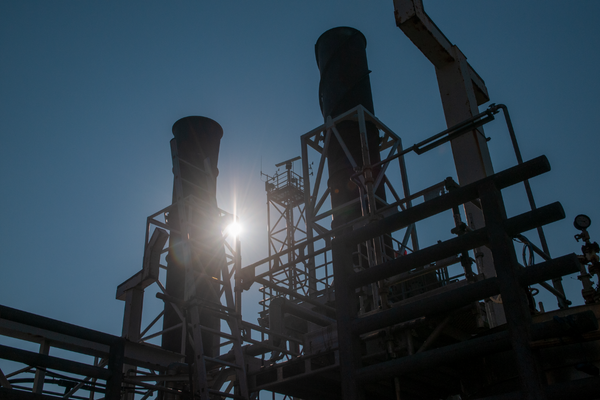
European Commission endorses carbon removal as key part of the climate toolbox
Continued cross-sectoral dialogue needed to overcome energy and climate crises
Europe’s energy market proves resilient in 2022 – ensures energy security
Letter: Open, inclusive, and pragmatic Green Deal Industrial Plan for Europe
Europe needs a CO2 storage ambition for 2050
Measures chosen by the EU to address high energy prices will impact Europe’s oil and gas industry at a critical time
New study identifies Europe’s supply options to replace Russian gas before 2030
Balance, strength and fairness: building blocks for a stronger Union
REPowerEU Plan: domestic gas production deserves stronger role alongside imports and renewables in enhancing EU energy resilience

First aid shipment of critical specialized energy equipment coordinated by the Energy Community Secretariat arrives in Ukraine
Re-Powering the EU by protecting well-functioning markets, enhancing strategic partnerships and boosting domestic production
IOGP response to IEA Global Methane Tracker Report
Inclusion of gas in the Taxonomy Regulation supports EU ambition to reach climate neutrality by 2050
Gas market reform marks a step change in EU approach to the transition
New Re-Stream study assesses the feasibility of transport of hydrogen and CO2 in European gas and oil infrastructure
More inclusion needed to be fit for 55
Letter: Call for a technology-inclusive revision of the TEN-E Regulation
“Hydrogen for Europe” study launch
Methane Emissions Glossary
Towards greater hydrogen production capacity in Europe

IOGP announces appointment of Dawn Summers as President of its European Board
European Board holds first meeting
Letter: IOGP input on the European Commission’s consultation on the priority list for the development of gas network codes and guidelines for 2021 (and beyond)
Council’s inclusive approach to hydrogen sends strong signal ahead of key legislative year
Letter: 57 industry leaders call for enhancing gas contribution to decarbonisation
Guidelines for Methane Emissions target setting – Press Release
EU Methane Strategy sets the right sequence to tackle the challenge

International oil and gas producers welcome Iman Hill as new Executive Director

Sustainable Finance Webinars
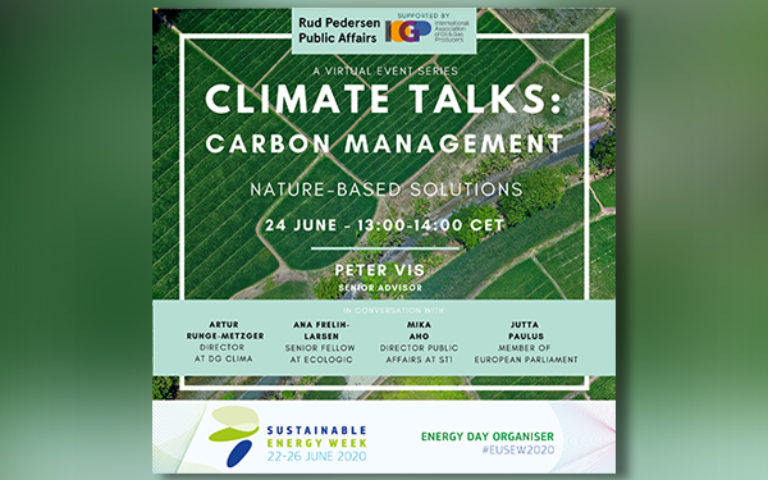
Carbon Management Webinars
EU’s hydrogen and energy system vision can only succeed with a more balanced, inclusive approach
Wide industry coalition call for a Hydrogen Strategy inclusive of all clean hydrogen pathways
Webinar: Regulating the re-use and repurposing of oil and gas installations in the context of decommissioning
Manifesto: Oil & Gas Industry Solutions Towards 2030 and 2050
IOGP Statement on the EU Recovery Plan

IOGP actions to protect Biodiversity
IOGP welcomes the EU Biodiversity Strategy 2030

Climate change, purpose & doing the right thing: lessons from COVID-19
Guidelines for Methane Emissions target setting

COVID-19 Updates: Industry response and impact
Joint letter: CCS and CCU for the EU’s Industrial Transition
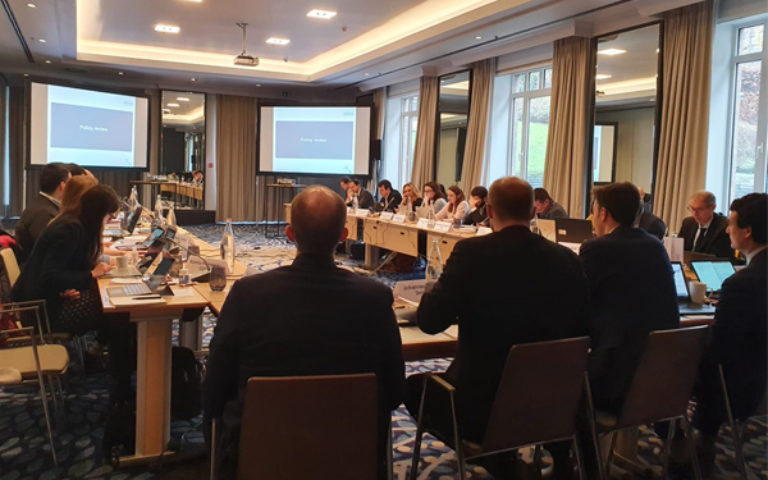
Hydrogen for Europe: 1st Working Group Meeting
IOGP supports the EU’s objective of climate neutrality by 2050




Go Net Zero Energy Summit 2026 to Bring Together CEE Leaders in Bucharest


Takeaways from the Industry Summit: An energy system fit to support European competitiveness

Flame | Amsterdam | 19-21 May

Carbon Capture Europe Summit 2026 | Rotterdam | 11-12 March 2026






IOGP Europe’s Managing Director to Speak at Strategic Energy Security Forum in Brussels

IOGP Europe Managing Director to Speak at the 22nd GIE Annual Conference

Partnership with the Carbon Capture Global Summit 2025

IOGP Europe at EuropEC 2025

IOGP Europe at the CCSA EU Conference 2025

IOGP Europe at the 2025 Flame Conference

Partnership with the EU Energy Summit 2025


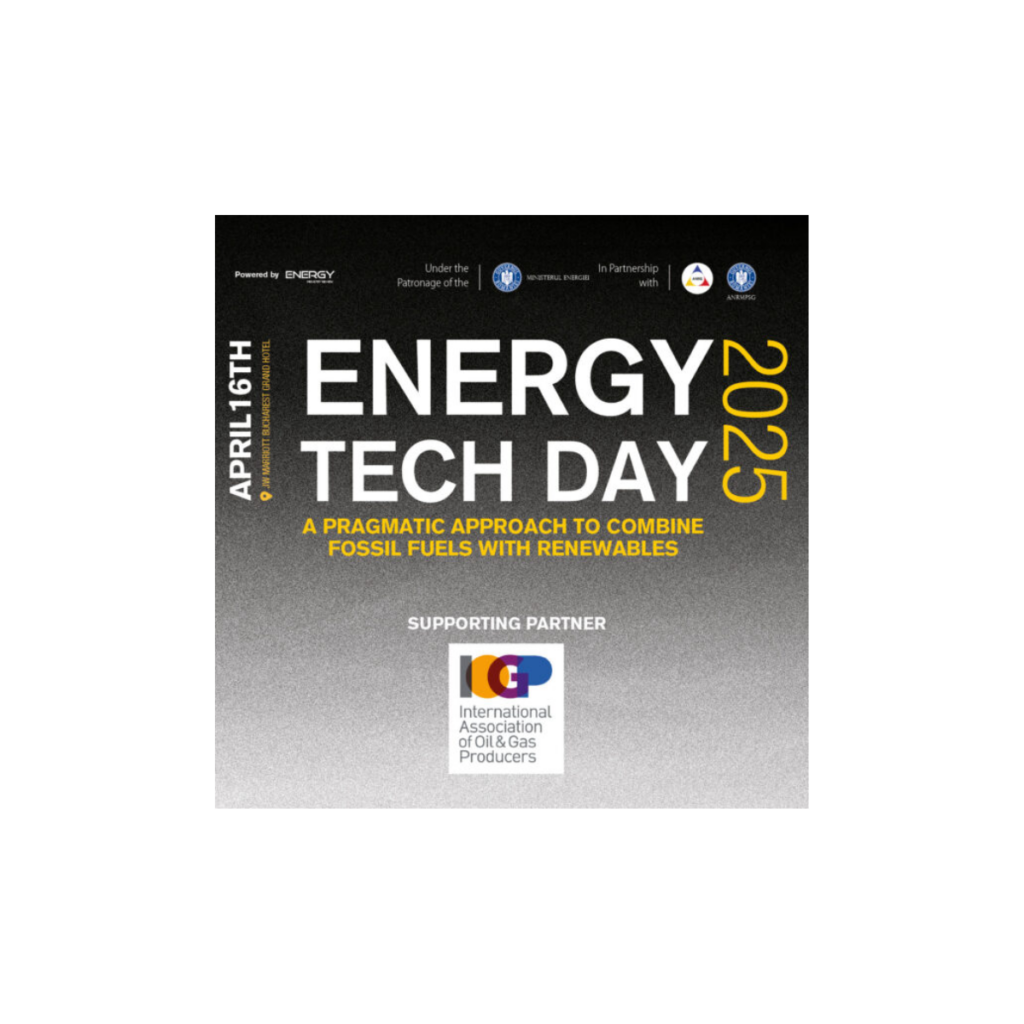





CCS policy: A practical toolkit

2024 CCSA EU Conference – 3rd July
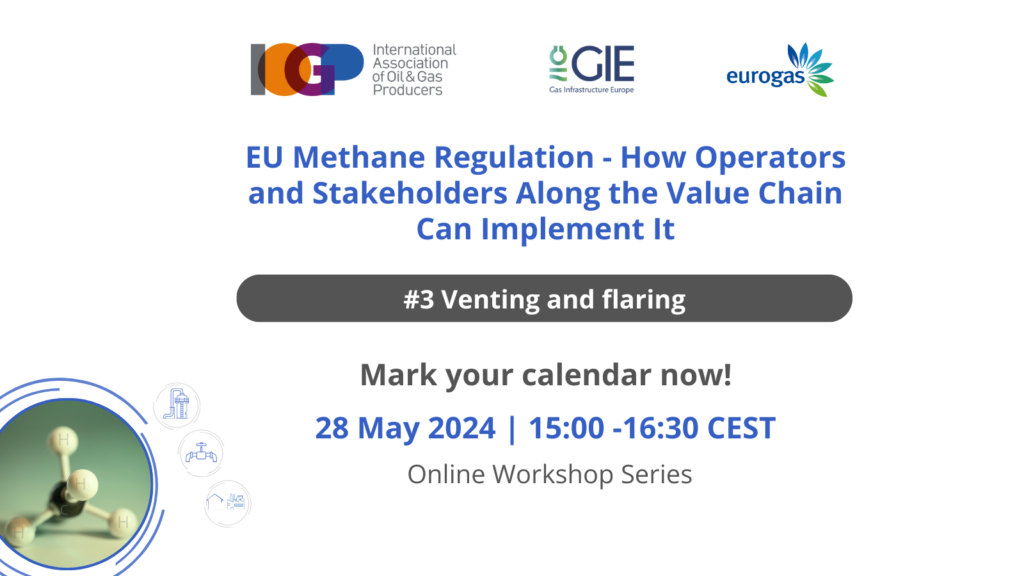
EU Methane Regulation – How Operators and Stakeholders Can Implement It #3
SPE Europe Energy Conference

CCS Strategy Europe Conference
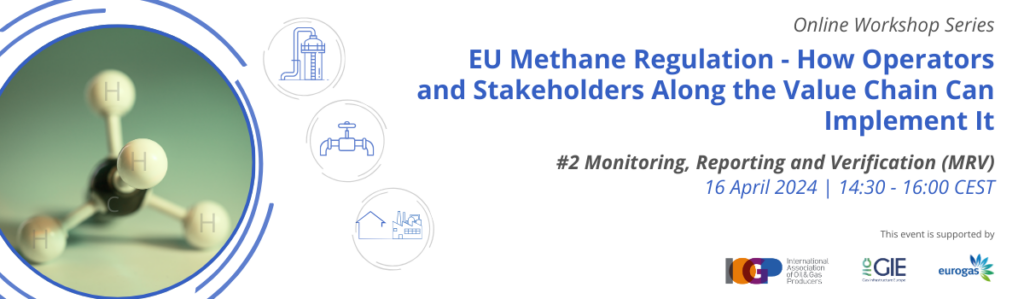
EU Methane Regulation – How Operators and Stakeholders Can Implement It #2
European Gas Conference
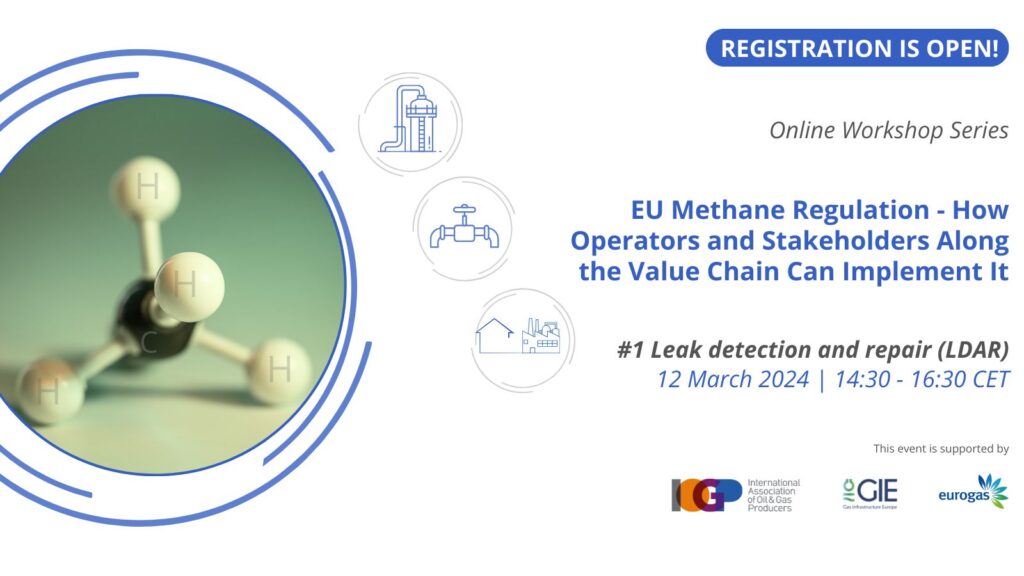
EU Methane Regulation – How Operators and Stakeholders Can Implement It #1

Flame 2024
Methane Mitigation Europe 2024
Rebalancing Europe’s natural gas supplies – Learnings, future needs, and policy implications
Creating a sustainable business case for European CCS value chains
Join us to discuss the implications and challenges of NZIA Art. 18, with oil & gas licence holders and European Commission representatives.
European Gas Strategy 2023
Scaling up the energy transition whilst securing a stable suppy
Rebalancing Europe’s gas supply: presentation of report findings
European Gas Conferece
The Europe CCUS & Hydrogen Decarbonisation Summit
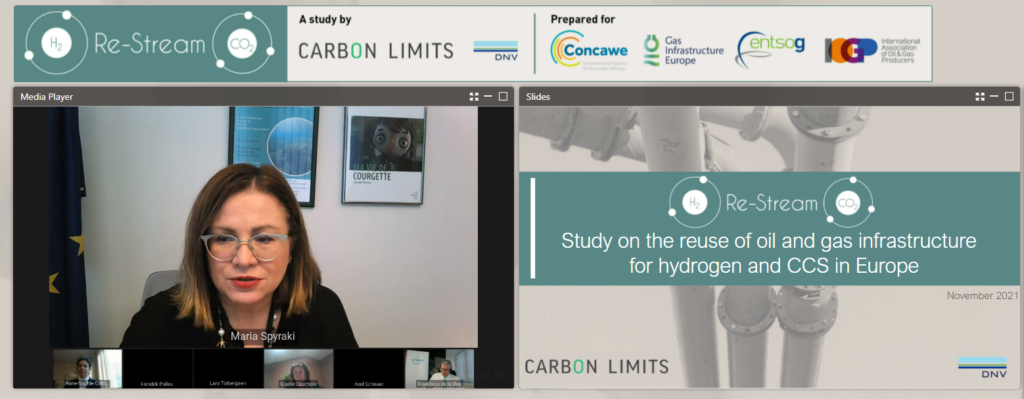
Re-Stream Study Launch Event
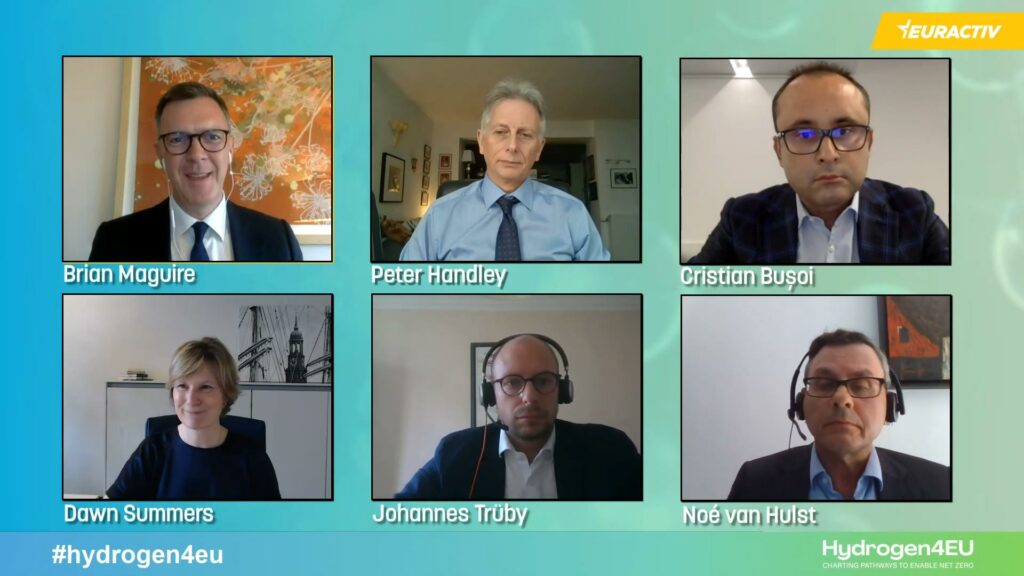
Hydrogen4EU Launch Event

Sustainable finance: investor, oil and gas sector and global perspectives
Carbon Management Webinars

Sustainable finance: non-financial disclosure for the oil and gas sector and EU taxonomy in practice