Extraordinary taxation risks undermining Europe’s security of supply and energy autonomy
European energy industries across the value chain recognise the exceptional circumstances created by the current energy and geopolitical crises and the pressure high prices place on vulnerable households and businesses.
Rushed tax policy responses, particularly when introduced without consultation, affect current investment decisions and undermine long-term certainty and predictability at a time when sustained investment is critical to maintaining an affordable and secure supply of energy to consumers. We stand ready to engage in dialogue to discuss the effectiveness of different policies.
Key concerns
- The possible imposition of windfall or “double” taxation on extraordinary profits would send a worrisome message to both domestic and foreign energy companies about the lack of a predictable and stable regulatory and fiscal framework in the EU.
- Recurrent extraordinary fiscal measures, on top of other regulations that place significant burdens on the economic sustainability of energy assets and infrastructure, would undermine investment signals precisely when Europe needs to safeguard security of supply and deliver the EU’s strategic energy autonomy.
- Recent calls in several Member States for new EU‑wide or national windfall taxes and other extraordinary interventions are impacting the ongoing policy debate. We caution against recurring or extraordinary measures: they add regulatory unpredictability, risk discouraging long‑term capital allocation to the European energy supply system and its decarbonisation, and weakens the link between market signals and returns, reducing Europe’s ability to attract marginal supply.
Role of Europe’s energy value chain
- Europe’s energy value chain is undergoing a profound transformation of its assets and operations, with a dual objective:
- contributing to the EU’s decarbonisation objectives (including through low‑carbon and renewable molecules, carbon management and efficiency); and
- ensuring the security of an affordable and reliable energy supply for households, industry and critical services, supported by well-functioning and liquid markets. In the current context of geopolitical and market constraints, imposing additional regulatory or extraordinary fiscal burdens risks further weakening Europe’s capacity to secure timely, affordable, and reliable energy supplies by reducing its attractiveness for global energy flows. In a supply-constrained environment, such measures do not reduce prices but risk reducing supply flexibility.
- Short-term margin peaks cannot be used to assess the long-term economic sustainability of oil and gas activities. Recurrent extraordinary taxation applied during periods of high margins, without symmetric treatment during downturns would weaken the sector's resilience, accelerate asset closures and undermine Europe's energy security.
- It is therefore essential to safeguard the industry’s capacity to continue providing this critical service, including for critical infrastructures and the defence system.
Concluding asks
Against this background, the undersigned industry associations recommend that Member States and EU institutions refrain from new initiatives on extraordinary fiscal measures (including windfall profit taxes, “double” taxation, and similar measures), whether at EU or national level. Ensuring security of supply requires open, well‑functioning and liquid markets, underpinned by regulatory restraint, proportionality, and sufficient flexibility, together with stable, predictable frameworks that enable the investments needed to maintain, upgrade and transform Europe’s energy assets and infrastructure.

- Publications
- News
- Events
IOGP Europe’s views on the revision of the Oil Stocks Directive
IOGP Europe response to the European Commission’s consultation on the revised Maritime Spatial Planning Directive / Ocean Act

IOGP Europe position on Industrial Accelerator Act and recommendations for modifications

IOGP Europe’s response to the Public consultation on the renewable energy framework (post-2030 RED) for the decade ahead

Joint statement on measures to enhance the Union’s security of energy supply
IOGP Europe’s Response to the Revision of national targets and flexibilities in the EU climate policy framework after 2030

Joint industry recommendations for simplification of the importer requirements of the EU Methane Regulation

Joint industry recommendations on DG ENER Guidance on penalties for the EUMR

75 organisations and companies call for targeted amendments to the Methane Emissions Reduction Regulation through the EU simplification agenda including the stop-the-clock
IOGP Europe recommendations on workable solutions for the upcoming CO2 markets and infrastructure legislative proposal
IOGP Europe’s response to the European Commission’s Call for Evidence on EU Arctic Policy

Joint Letter: Delivering Europe’s Hydrogen Ambitions – Joint Industry Roadmap Ahead of the First European Hydrogen Forum

Joint Letter in the context of Europe’s Response to High Energy Prices – Concerns Regarding a Natural Gas Price Cap

Reforming energy taxation, charges and levies to support affordability

Upstream Oil & Gas and CCS operations in Europe: Perspective on a proposed EU Universal-PFAS Restriction
IOGP Europe’s response to CO₂ markets and infrastructure public consultation

Joint Statement: calling for reducing methane emissions while ensuring EU energy security

Recommendations on the proposed new EU funding architecture under the MFF (2028-2034)

EU Methane Regulation: Addressing the tracing issue to improve compliance

IOGP Europe recommendations to help the EU restore its security of supply and competitiveness through flexible and resilient energy markets.
IOGP Europe’s response to the call for evidence on the General Block Exemption Regulation (GBER)
The Mediterranean: an energy and decarbonization opportunity for Europe
Unlocking the Black Sea’s Strategic Energy Potential

Joint statement on the role of LNG in Europe’s energy transition
Response to the EU Consultation on Commodity Derivatives and Energy Spot Markets
IOGP Europe views on Communication on the Action Plan for Affordable Energy
IOGP Europe opposes any extension of the EU gas storage target to 31 December 2027

Balancing Energy Security, Decarbonization, and Competitiveness in Europeʼs Energy Landscape
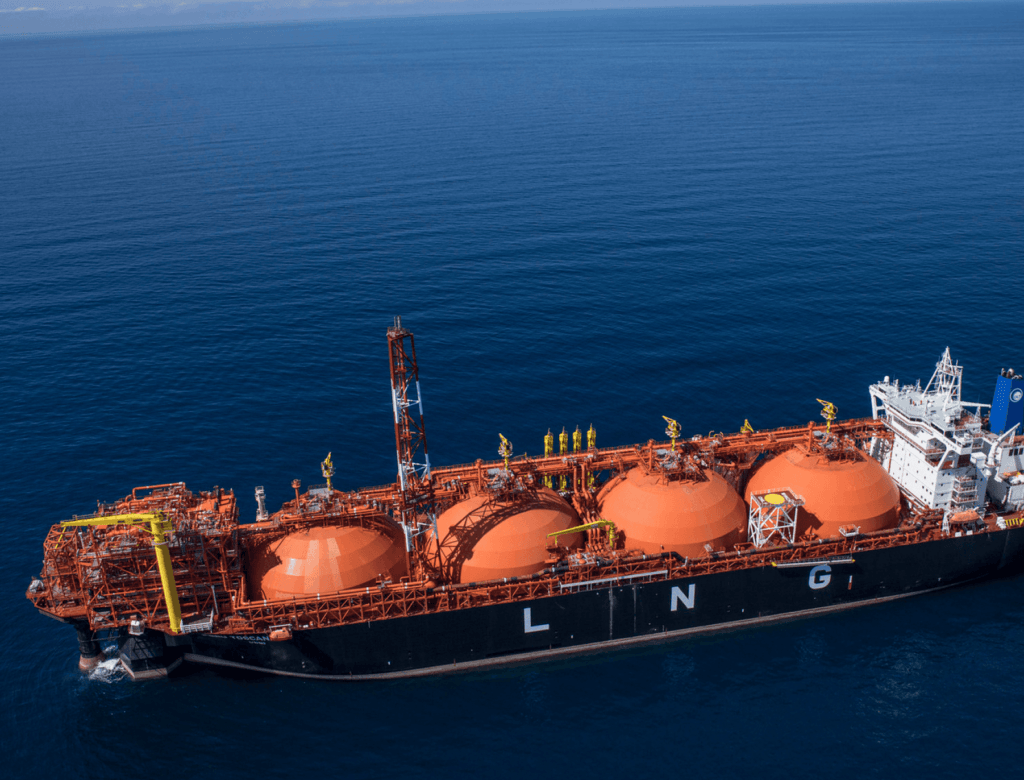
Navigating Towards 2040: The Critical Role of the LNG Industry in Achieving the EU’s Climate Targets

GasNaturally Letter to Competitiveness Council 23 May 2024
IOGP Europe response to European Commission survey on long-term contracts
Download
Rebalancing Europe’s Gas Supply Second Edition
IOGP views on the proposed Regulation amending Regulation (EU) 2021/241 as regards REPowerEU chapters in Recovery and Resilience Plans
IOGP response to the consultation on ‘Securing the EU’s winter gas supply (storage measures)’
Reaction: Proposed market interventions in context of 2021 energy price rises
Global Production Report 2019
2017 European Gas Resources Report: Plenty left and more to find
LNG – a fast lane to make Europe a leader in clean shipping
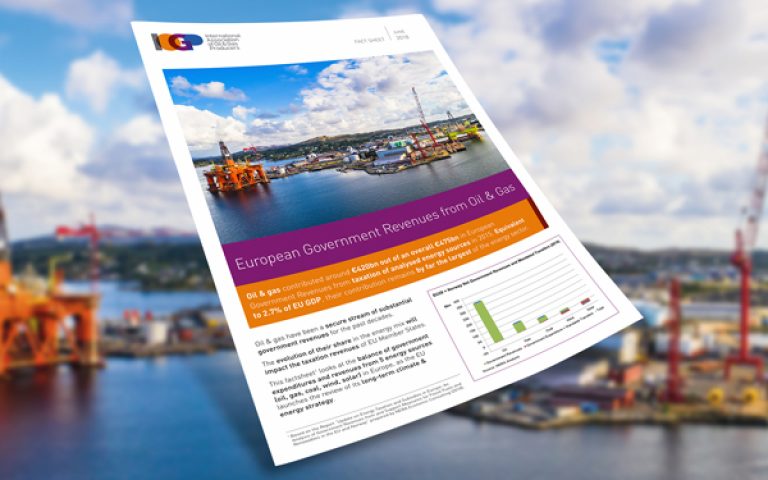
European Government Revenues from Oil & Gas

One year delays the problem; three years will fix it: Why a three-year postponement of the EU Methane Regulation’s importer requirements is needed

State of the European Union: Europe needs energy optionality to strengthen resilience while advancing the transition
Majority of EU Member States call for postponement and targeted amendments to Methane Regulation
Joint Letter: Europe’s Response to High Energy Prices – Concerns Regarding a Natural Gas Price Cap
EU Methane Regulation Risks Severe Disruption to Europe’s Oil and Gas Supply from 2027
New interactive Data Room goes live

IOGP Europe Welcomes 3 New Board Members
Joint Statement: calling for reducing methane emissions while ensuring EU energy security
EU delivers landmark decision in quest to cut red tape, strengthen competitiveness and security of supply
New Pact for the Mediterranean: an opportunity to foster the region’s energy integration

Chris Walker (ExxonMobil), newly appointed Chair of IOGP Europe’s Communications Subcommittee
Press Release: Roadmap to end Russian energy imports will require policy signals and regulatory adjustments to succeed.

Building energy bridges between Brazil and the EU
The case for unrestricted US LNG exports to Europe
IOGP Europe signs the Antwerp Declaration
Press Release: US decision to pause LNG export approvals could put European security of supply at risk

IOGP welcomes ROMGAZ
Letter: Industry views regarding the prolongation of the joint purchasing & demand aggregation mechanism
Letter: Industry views regarding the proposal to establish a permanent demand aggregation and joint purchasing mechanism through the Recast Gas Regulation
Continued cross-sectoral dialogue needed to overcome energy and climate crises
Europe’s energy market proves resilient in 2022 – ensures energy security
Measures chosen by the EU to address high energy prices will impact Europe’s oil and gas industry at a critical time
New study identifies Europe’s supply options to replace Russian gas before 2030
Oil & Gas Decarbonisation Congress 2027


Takeaways from the Industry Summit: An energy system fit to support European competitiveness