IOGP Europe’s views on the revision of the Oil Stocks Directive
Since its establishment, the Oil Stocks Directive (2009/119/EC) has provided a robust and effective framework for emergency oil stocks management in the EU. Recent crises have confirmed how existing market mechanisms, logistical arrangements and emergency stockholding obligations ensure continuity of crude oil and fuel supply. Any revision of the Directive should therefore avoid jeopardizing a framework that has broadly delivered on its core objective, and should
instead focus on targeted improvements that strengthen resilience without creating unnecessary regulatory burden or additional financial burden.
Key recommendations for the revision of the Oil Stocks Directive:
- Preserve the legal basis of the Directive without turning it into a Regulation, as excessive harmonization could weaken its flexibility and constrain Member States’ ability to respond to country-specific security of supply needs.
- Recognize the refining and fuel manufacturing sectors as strategic as strategic and provide targeted support to maintain and modernize critical infrastructure, production capacity and asset availability.
- Recognize domestic crude oil production as a strategic component of the wider EU’s energy security framework.
- Review the composition of emergency oil stocks to ensure it reflects current security risks, recognizing the strategic importance of jet fuel for civil and military aviation while preserving Member States' flexibility to determine the most appropriate stockholding arrangements according to national circumstances.
- Preserve and further facilitate the existing cross-border ticketing and storage framework, as it reflects the reality that oil and fuel logistics already operate across borders and can ensure an optimal allocation of stocks in existing facilities, without forcing Member States to invest in new storage facilities.
- Ensure full coherence with existing horizontal resilience frameworks such as the Critical Entities Resilience Directive (CER) and Network and Information Security Directive (NIS2) by conducting a preliminary risk-assessment to avoid duplication of security-related requirements.
- Preserve the distinction between mandatory emergency oil stocks and dedicated military fuel stocks or defense logistics arrangements and engage appropriate NATO and Member State forums where any NATO or military-related considerations are addressed, rather than expanding the scope of the Directive.
In addition to the key recommendations outlined above, we would like to further elaborate on the following key points.
1. Preserve the legal basis of the Directive
One of the main features that makes the Oil Stocks Directive an effective cornerstone of the EU’s energy security framework is its flexibility. Different Member States face diverse security challenges related to geography, infrastructure,
import dependency, market structure, storage availability, refining capacity and geopolitical exposure. This flexibility should therefore remain a defining feature of the revised framework, allowing Member States to determine the most appropriate means of meeting their stockholding obligations in close consultation with industry.
At the same time, greater harmonization of reporting methodologies, calculation rules and the promotion of bilateral stockholding agreements could reduce administrative complexity, improve transparency and strengthen cross-border cooperation without undermining national flexibility. Any changes to stockholding requirements should remain risk-based and reflect national circumstances, rather than introducing a one-size-fits-all approach that could disadvantage certain Member States.
2. Recognize the refining and fuel manufacturing sectors as strategic
In the context of the EU’s transition to climate neutrality, the refining and fuel manufacturing industry remains a strategic sector for Europe’s economy, contributing to security of energy supply, affordability and defense readiness. The legislative framework should therefore be proportionate and fit for purpose. Additional obligations that create administrative complexity and increase costs could accelerate the erosion of Europe’s refining footprint and oil infrastructure, reducing the flexibility and optionality that the Directive is intended to protect.
The EU should urgently recognize refining and fuel manufacturing as strategic sectors and provide targeted, long-term support to maintain critical infrastructure, production capacity and asset availability. Such a recognition shall also be upheld across the legislative framework underpinning the competitiveness and transition of the sector and the industries related to it, such as transport and chemicals.
3. Recognize domestic crude oil production as strategic
Ensuring resilience of the refining sector also requires safeguarding access to secure crude oil supplies. In this context, domestic crude oil production should be recognized as a strategic resilience asset. While it accounts for only around 5% of total EU crude oil consumption, its importance is much greater at the MS level, where it can cover a substantial share of annual demand – up to 45% in some MS. Finally, there is potential to increase domestic production with the right policy support and enabling conditions.
Therefore, a resilient crude oil value chain – from domestic extraction through transport infrastructure, refining and distribution – is a strategic pillar of the EU's energy security architecture. Domestic crude oil production provides European refineries with a secure source of supply, ensuring the continued availability of fuels essential for defense, emergency services, and other critical sectors. Crude oil extraction should therefore be recognized as a strategic component of the EU's security, preparedness, and energy resilience framework.
4. Composition of emergency oil stocks to reflect current security risks
Recent supply disruptions have highlighted the strategic importance of jet fuel for both civil and military aviation. The revision of the Directive should assess if the current composition of emergency stocks adequately reflects today’s security risks and operational requirements. In particular, consideration could be given to strengthening the role of jet fuel within the specific stocks regime, recognizing its strategic relevance during emergencies. Any evolution of the required product mix should remain proportionate and risk-based, taking into account each Member State’s refining capacity, storage infrastructure, domestic demand and security profile. Where national storage capacity is limited, the Directive should continue to facilitate practical solutions through bilateral stockholding agreements and cross-border cooperation, thereby enhancing security of supply while preserving the Directive’s flexibility.
We support maintaining alignment with the IEA emergency stockholding framework, and the current setup in the Directive. The current 90 days of net imports or 61 days of inland consumption (depending on the calculation) captures one
of the main sources of oil security risk: exposure to external supply disruptions. This approach also implicitly recognizes the resilience value of domestic crude oil production, which reduces net import dependency, and contributes to the effective use and refilling of emergency stocks.
In this context, any revision of the stockholding methodology should preserve the link between obligations and import exposure, consider the overall net security of supply benefit and the related costs, rather than move towards requirements that would weaken the recognition of indigenous crude oil production. In particular, any potential adjustments to the “90 days of net imports” stockholding requirement should be preceded by a comprehensive assessment of their logistical, operational and cost implications, including impacts on storage capacity, refining capacity required, ticketing arrangements and inventory financing across different Member States. Any changes should also be accompanied by a clear allocation of the associated costs between stockholding entities, industry and public authorities.
The Commission should also take into account the structural changes that have affected the EU refining sector since the entry into force of the Directive in 2009. Around 30 refineries have closed across the EU during this period, representing approximately 20% of the Union's refining capacity, with a corresponding reduction in available storage and logistics assets, which has a direct impact on the capacity to meet stockholding requirements within the EU.
5. Ensure full coherence with existing horizontal resilience frameworks
Establishing a separate EU crisis data reporting mechanism or an EU-wide exercise should be carefully assessed to avoid duplication, where these functions are already carried out through the IEA. Risk assessments and emergency procedures should remain primarily the responsibility of Member States, with military and industry involvement. The EU’s added value should be to support visibility and readiness beyond fuel stocks and across the broader supply chain. Monitoring activities should cover pipelines, storage infrastructure, transport routes, production and refining capacity.
In doing so, the revised Directive should ensure full coherence with existing horizontal resilience frameworks, notably the Critical Entities Resilience Directive (CER) and Network and Information Security Directive (NIS2). The OSD can play a useful role in identifying oil-related assets that are strategically relevant for energy security, such as refineries, storage sites, terminals, pipelines and central stockholding entities. However, it should not create parallel or duplicative physical security, cybersecurity or resilience obligations where these are already addressed under CER and NIS2. The revised framework should therefore support a risk-based identification of critical oil infrastructure, while leaving detailed protection, cybersecurity, incident reporting and resilience requirements to the relevant horizontal legislation.
6. Preserve distinction between mandatory emergency oil stocks and dedicated military stocks
The revised framework should preserve the distinction between mandatory emergency oil stocks governed by Directive 2009/119/EC and dedicated military fuel stocks or defense logistics arrangements. Article 20(1) already enables Member States, in the event of a major supply disruption, to prioritize the allocation of petroleum products to specific categories of users, which may include the Armed Forces and emergency services. Any NATO or military-related considerations should therefore be addressed through appropriate engagement between EU institutions, NATO and Member States, while ensuring industry involvement where relevant, rather than by expanding the scope of the Directive to
regulate military stocks directly.
Overall, a targeted revision should therefore be risk-based, preserve the Directive’s proven foundations to mitigate economic harm during times of crisis, reduce unnecessary administrative burdens, support and protect domestic upstream and downstream crude oil value chains and related infrastructure.

- Publications
- News
- Events
IOGP Europe response to the European Commission’s consultation on the revised Maritime Spatial Planning Directive / Ocean Act

IOGP Europe’s response to the Public consultation on the renewable energy framework (post-2030 RED) for the decade ahead

Joint statement on measures to enhance the Union’s security of energy supply
IOGP Europe’s Response to the Revision of national targets and flexibilities in the EU climate policy framework after 2030

Joint industry recommendations for simplification of the importer requirements of the EU Methane Regulation

Extraordinary taxation risks undermining Europe’s security of supply and energy autonomy

Joint industry recommendations on DG ENER Guidance on penalties for the EUMR

75 organisations and companies call for targeted amendments to the Methane Emissions Reduction Regulation through the EU simplification agenda including the stop-the-clock

IOGP Europe recommendations on workable solutions for the upcoming CO2 markets and infrastructure legislative proposal
IOGP Europe’s response to the European Commission’s Call for Evidence on EU Arctic Policy

Joint Letter in the context of Europe’s Response to High Energy Prices – Concerns Regarding a Natural Gas Price Cap

Upstream Oil & Gas and CCS operations in Europe: Perspective on a proposed EU Universal-PFAS Restriction
IOGP Europe’s response to CO₂ markets and infrastructure public consultation

Joint Statement: calling for reducing methane emissions while ensuring EU energy security

EU Methane Regulation: Addressing the tracing issue to improve compliance

IOGP Europe recommendations to help the EU restore its security of supply and competitiveness through flexible and resilient energy markets.

The Mediterranean: an energy and decarbonization opportunity for Europe
Unlocking the Black Sea’s Strategic Energy Potential

Joint statement on the role of LNG in Europe’s energy transition
Response to the EU Consultation on Commodity Derivatives and Energy Spot Markets

IOGP Europe views on Communication on the Action Plan for Affordable Energy
IOGP Europe opposes any extension of the EU gas storage target to 31 December 2027

Balancing Energy Security, Decarbonization, and Competitiveness in Europeʼs Energy Landscape
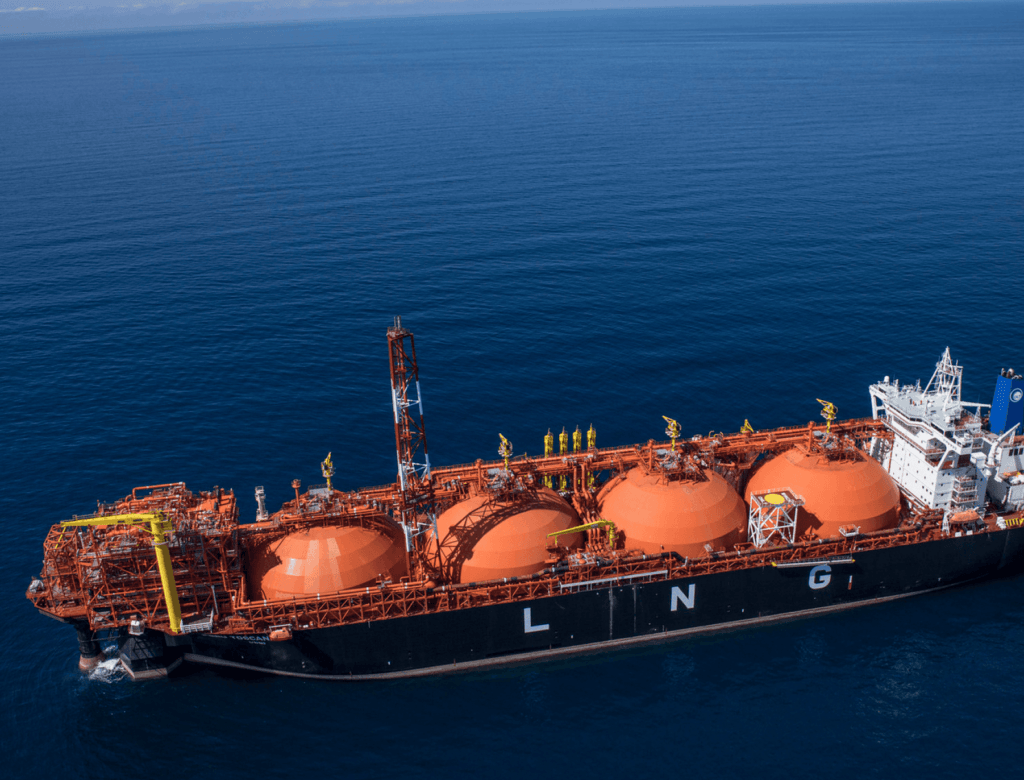
Navigating Towards 2040: The Critical Role of the LNG Industry in Achieving the EU’s Climate Targets

GasNaturally Letter to Competitiveness Council 23 May 2024
IOGP Europe response to European Commission survey on long-term contracts
Download
Rebalancing Europe’s Gas Supply Second Edition
IOGP views on the proposed Regulation amending Regulation (EU) 2021/241 as regards REPowerEU chapters in Recovery and Resilience Plans
IOGP response to the consultation on ‘Securing the EU’s winter gas supply (storage measures)’
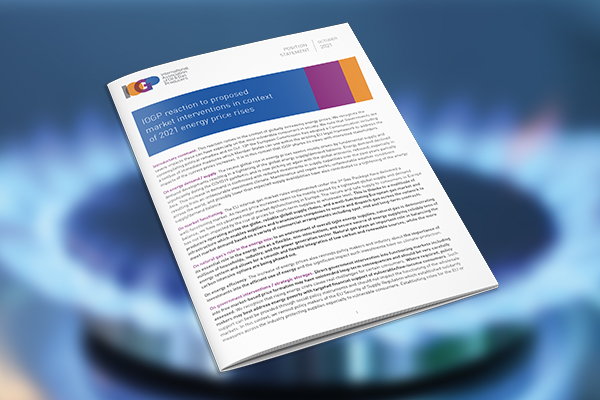
Reaction: Proposed market interventions in context of 2021 energy price rises

Global Production Report 2019
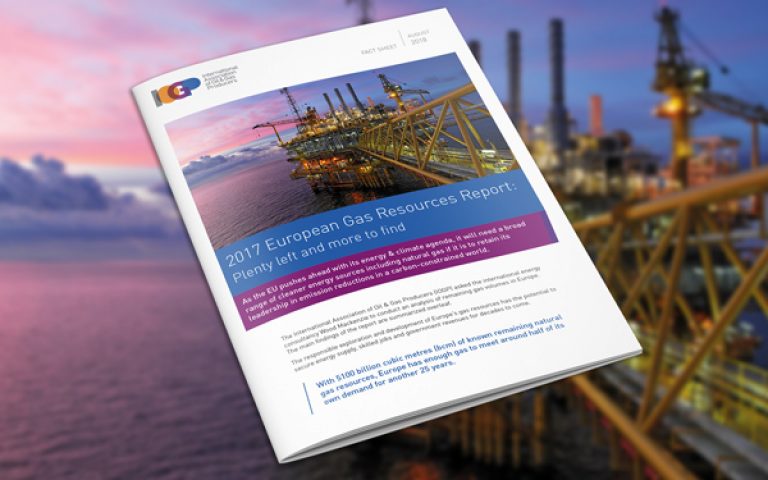
2017 European Gas Resources Report: Plenty left and more to find

LNG – a fast lane to make Europe a leader in clean shipping
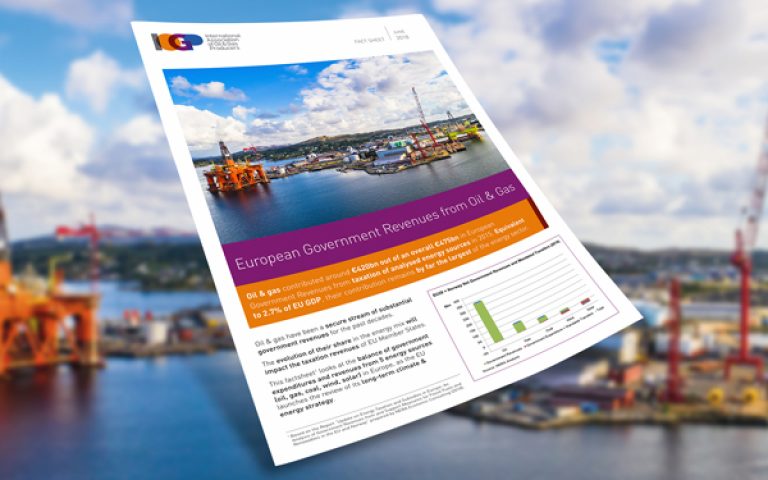
European Government Revenues from Oil & Gas

State of the European Union: Europe needs energy optionality to strengthen resilience while advancing the transition
Majority of EU Member States call for postponement and targeted amendments to Methane Regulation
Joint Letter: Europe’s Response to High Energy Prices – Concerns Regarding a Natural Gas Price Cap

EU Methane Regulation Risks Severe Disruption to Europe’s Oil and Gas Supply from 2027

New interactive Data Room goes live

IOGP Europe Welcomes 3 New Board Members
Joint Statement: calling for reducing methane emissions while ensuring EU energy security
EU delivers landmark decision in quest to cut red tape, strengthen competitiveness and security of supply
New Pact for the Mediterranean: an opportunity to foster the region’s energy integration

Chris Walker (ExxonMobil), newly appointed Chair of IOGP Europe’s Communications Subcommittee
Press Release: Roadmap to end Russian energy imports will require policy signals and regulatory adjustments to succeed.

Building energy bridges between Brazil and the EU
The case for unrestricted US LNG exports to Europe

IOGP Europe signs the Antwerp Declaration

Press Release: US decision to pause LNG export approvals could put European security of supply at risk

IOGP welcomes ROMGAZ
Letter: Industry views regarding the prolongation of the joint purchasing & demand aggregation mechanism
Letter: Industry views regarding the proposal to establish a permanent demand aggregation and joint purchasing mechanism through the Recast Gas Regulation

Continued cross-sectoral dialogue needed to overcome energy and climate crises
Europe’s energy market proves resilient in 2022 – ensures energy security

Measures chosen by the EU to address high energy prices will impact Europe’s oil and gas industry at a critical time
New study identifies Europe’s supply options to replace Russian gas before 2030
Oil & Gas Decarbonisation Congress 2027