Joint Letter: Urgent call for targeted amendments to the Methane Emissions Reduction Regulation through the EU simplification agenda including the stop-the-clock
To: Energy Ministers of EU27 Member States
CC: Ms Ursula von der Leyen – President of the European Commission
Mr Stéphane Séjourné – Executive Vice President for Prosperity and Industrial Strategy
Mr Maroš Šefčovič – Commissioner for Trade and Economic Security
Mr Valdis Dombrovskis – Commissioner for Economy and Productivity; Implementation and Simplification
Mr Dan Jørgensen – Commissioner for Energy and Housing
Brussels, 13th April 2026
Urgent call for targeted amendments to the Methane Emissions Reduction Regulation through the EU simplification agenda including the stop-the-clock
Dear Energy Ministers,
While Europe and our companies work to secure oil and gas supply to mitigate the impact of the ongoing Middle East crisis, we wish to stress that the EU Methane Emissions Reduction Regulation (EUMR), in its current form, risks undermining the Union’s energy security of supply and competitiveness.
After a joint industry effort to carefully assess possible impacts, we are concerned that significant parts of the EU’s natural gas and crude oil imports may not comply with the Regulation’s requirements as of January 2027 - up to 43% of the EU’s natural gas and around 90% of its crude oil imports.
This limits the EU’s access to globally traded energy at a time when supply is constrained. The Regulation’s uncertain and excessive penalties, up to 20% of annual turnover, is also a deterrence to European importers signing supply contracts2. The Regulation’s requirements are overly complicated and impossible to operationalize within set deadlines. Companies and public authorities hence face clear legal compliance risks.
We appreciate and support the efforts of Member States and the European Commission services to address industry concerns through pragmatic implementation. However, we remain concerned they will not provide the necessary legal certainty to ensure imports are not negatively impacted, be it in terms of volumes or price.
Even in a more flexible scenario where adjustments to the Regulation are made, allowing the entire production from 5 or 10 key supplier countries (incl. UK, Norway, US, Qatar, Nigeria), the price impact would be equivalent to those witnessed on European energy markets due to the ongoing crisis in the Middle East.
Furthermore, the Regulation also puts significant strain on the EU’s domestic producers and infrastructure operators by mandating costly and non-proportional measures while yielding little benefit or potentially even a net GHG emissions increase4 – this could further accelerate the decline of Europe’s domestic production, weaken its strategic autonomy, and make the energy transition more costly.
The oil and gas industry has made significant progress in reducing methane emissions5 and has developed recommendations for a more efficient, realistic and proportionate approach that incentivizes progress and innovation and – most of all – enables compliance6.
We are ready to work closely with European institutions to ensure rules that promote continued reduction of methane emissions while avoiding risks to the energy supply, affordability and competitiveness of Europe’s citizens, businesses, and energy-intensive industries.
Given these risks, we urgently call for targeted amendments to the Methane Emissions Reduction Regulation through the EU simplification agenda, including the stop-the-clock mechanism as per recent requests from several Member States.
Yours sincerely,
The co-signatories
The list below is organised by alphabetical order, starting with companies and followed by trade associations
Sign the declaration
Fill in your contact details to become a signatory of the joint industry letter
Signatories

















- Publications
- News
- Events

IOGP Europe’s response to the Public consultation on the renewable energy framework (post-2030 RED) for the decade ahead

EU Methane Regulation Joint Statement ahead of next European Council and TTE Council of June 2026

Joint statement on measures to enhance the Union’s security of energy supply
IOGP Europe’s Response to the Revision of national targets and flexibilities in the EU climate policy framework after 2030

Joint industry recommendations for simplification of the importer requirements of the EU Methane Regulation

Extraordinary taxation risks undermining Europe’s security of supply and energy autonomy

Joint industry recommendations on DG ENER Guidance on penalties for the EUMR
IOGP Europe recommendations on workable solutions for the upcoming CO2 markets and infrastructure legislative proposal
IOGP Europe’s response to the European Commission’s Call for Evidence on EU Arctic Policy

Joint Letter in the context of Europe’s Response to High Energy Prices – Concerns Regarding a Natural Gas Price Cap

Upstream Oil & Gas and CCS operations in Europe: Perspective on a proposed EU Universal-PFAS Restriction
EU Methane Regulation: Joint letter to enable import provisions implementation
IOGP Europe’s response to CO₂ markets and infrastructure public consultation

Joint Statement: calling for reducing methane emissions while ensuring EU energy security

EU Methane Regulation: Addressing the tracing issue to improve compliance

IOGP Europe recommendations to help the EU restore its security of supply and competitiveness through flexible and resilient energy markets.
IOGP Europe Letter to Competitiveness Council
The Mediterranean: an energy and decarbonization opportunity for Europe
Joint letter: Integrating the EU Methane Regulation into the EU Simplification Agenda

Action plan to address key challenges on importers’ requirements in the Methane Regulation

IOGP Europe call for inclusion of the Methane Emissions Regulation in the forthcoming Energy Omnibus Package
Unlocking the Black Sea’s Strategic Energy Potential

Our response to the EC questionnaire on LDAR minimum detection limits and first step underground leak thresholds in the EU Methane Regulation

Joint statement on the role of LNG in Europe’s energy transition
Response to the EU Consultation on Commodity Derivatives and Energy Spot Markets
IOGP Europe views on Communication on the Action Plan for Affordable Energy
IOGP Europe opposes any extension of the EU gas storage target to 31 December 2027

Balancing Energy Security, Decarbonization, and Competitiveness in Europeʼs Energy Landscape
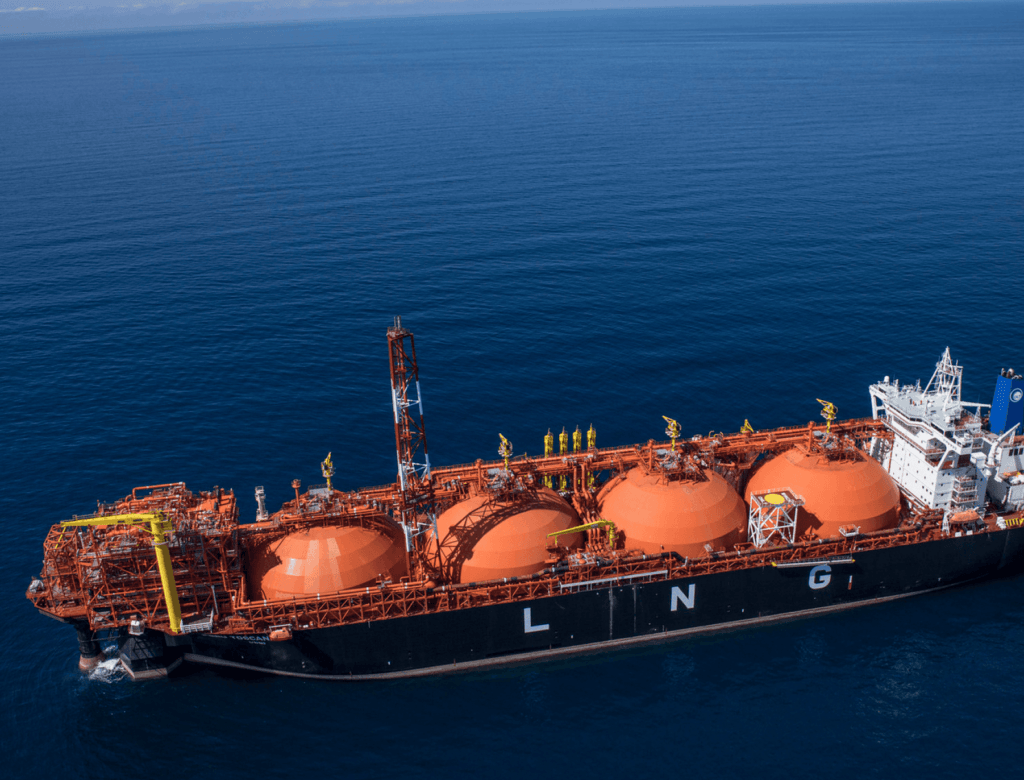
Navigating Towards 2040: The Critical Role of the LNG Industry in Achieving the EU’s Climate Targets
IOGP Europe’s Position on International GHG Supply Chain MMRV Framework

GasNaturally Letter to Competitiveness Council 23 May 2024
IOGP Europe response to European Commission survey on long-term contracts
Download
Rebalancing Europe’s Gas Supply Second Edition
IOGP views on the proposed Regulation amending Regulation (EU) 2021/241 as regards REPowerEU chapters in Recovery and Resilience Plans
IOGP response to the consultation on ‘Securing the EU’s winter gas supply (storage measures)’
IOGP response to Regulation on methane emissions reduction in the energy sector
Reaction: Proposed market interventions in context of 2021 energy price rises
IOGP response to public consultation on legislation to measure and mitigate methane emissions in the energy sector
IOGP answer to the EU roadmap on new rules to prevent methane leakage in the energy sector
Methane Management in the Upstream Oil and Gas Industry: Policy recommendations in the context of the EU Methane Strategy
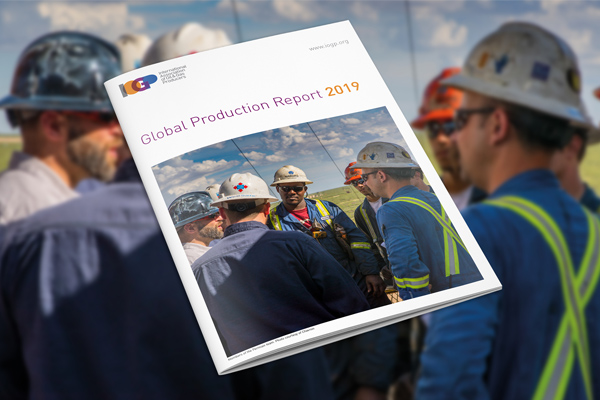
Global Production Report 2019
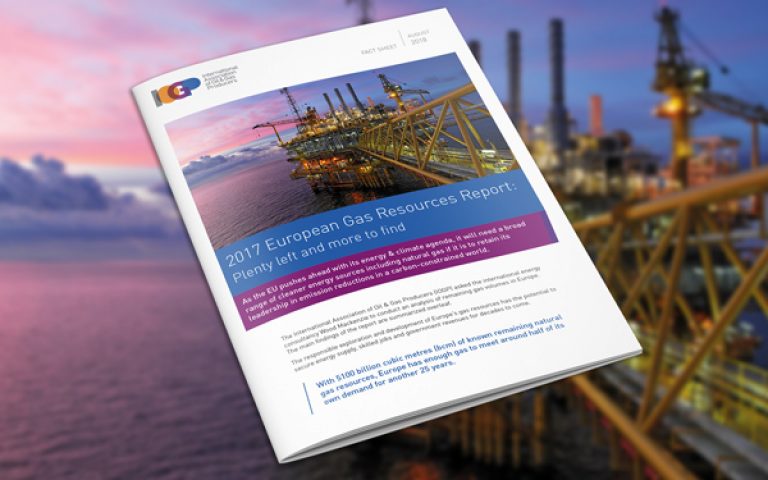
2017 European Gas Resources Report: Plenty left and more to find
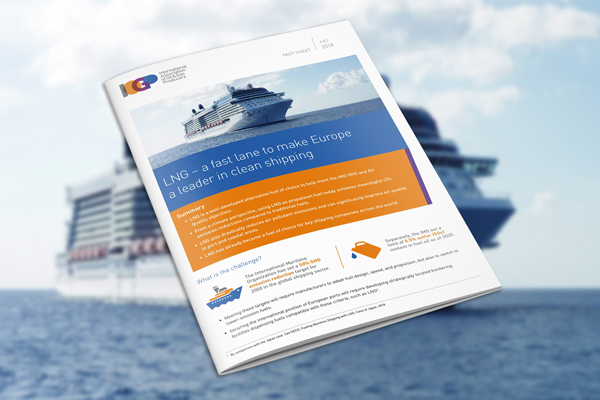
LNG – a fast lane to make Europe a leader in clean shipping
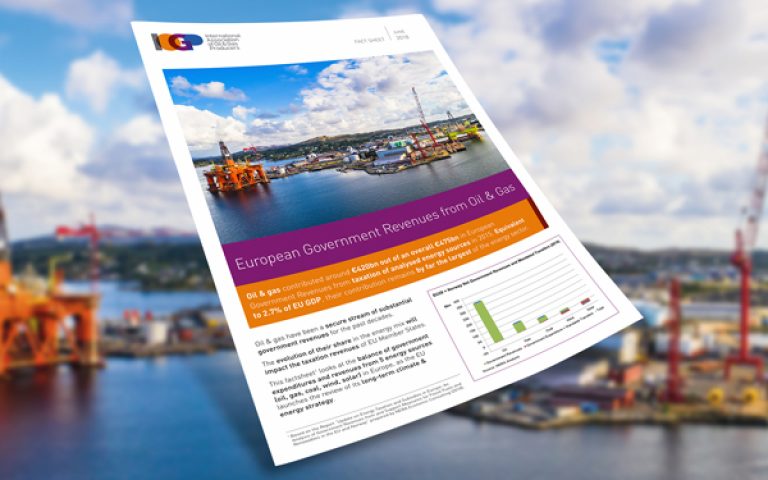
European Government Revenues from Oil & Gas

Majority of EU Member States call for postponement and targeted amendments to Methane Regulation
Joint statement: Commission Recommendations on Penalties are helpful but do not provide industry with the needed legal certainty
Industry calls for 15 targeted amendments to the EU Methane Regulation to safeguard energy security and preserve environmental ambition
Joint Letter: Europe’s Response to High Energy Prices – Concerns Regarding a Natural Gas Price Cap

EU Methane Regulation Risks Severe Disruption to Europe’s Oil and Gas Supply from 2027
New interactive Data Room goes live

IOGP Europe Welcomes 3 New Board Members
Joint Statement: calling for reducing methane emissions while ensuring EU energy security
EU delivers landmark decision in quest to cut red tape, strengthen competitiveness and security of supply
New Pact for the Mediterranean: an opportunity to foster the region’s energy integration
IOGP Europe welcomes EU Energy Ministers’ call for Inclusion of the EU Methane Regulation in upcoming Energy Omnibus

Chris Walker (ExxonMobil), newly appointed Chair of IOGP Europe’s Communications Subcommittee
Press Release: Roadmap to end Russian energy imports will require policy signals and regulatory adjustments to succeed.

Building energy bridges between Brazil and the EU
The case for unrestricted US LNG exports to Europe
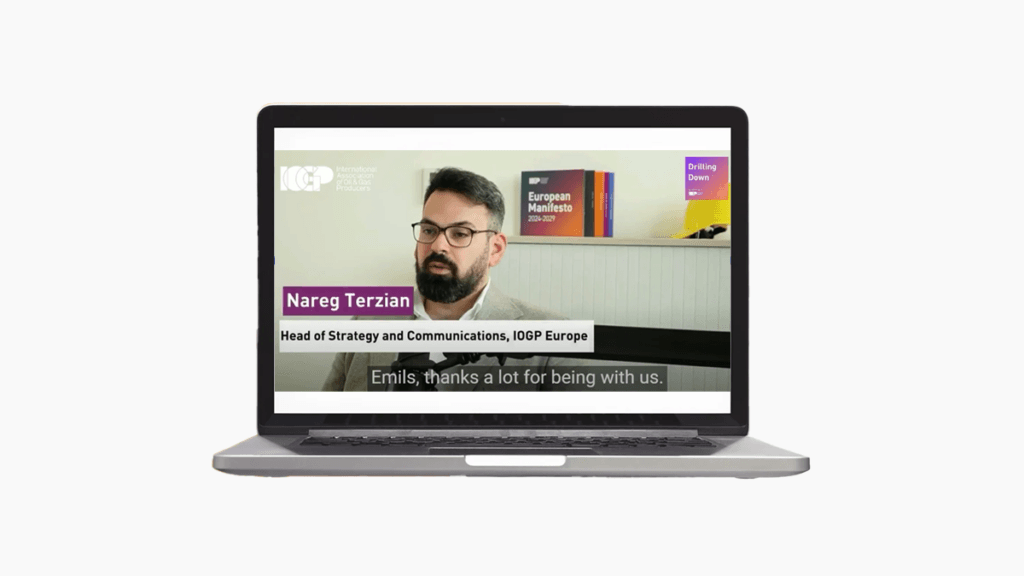
Navigating the EU Methane Regulation: Insights & Challenges
EU Approves Methane Regulation: What’s Next for the Industry?
IOGP Europe signs the Antwerp Declaration
Press Release: US decision to pause LNG export approvals could put European security of supply at risk

IOGP welcomes ROMGAZ
Letter: Industry views regarding the prolongation of the joint purchasing & demand aggregation mechanism
Letter: Industry views regarding the proposal to establish a permanent demand aggregation and joint purchasing mechanism through the Recast Gas Regulation
Letter: Methane emissions reduction: call for a proportionate, efficient and implementable EU Regulation
Letter: Proposed EU Methane Regulation – International dimension of EU importer requirements
Continued cross-sectoral dialogue needed to overcome energy and climate crises
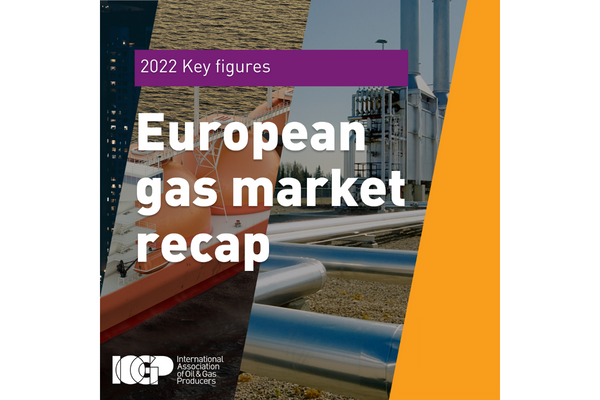
Europe’s energy market proves resilient in 2022 – ensures energy security
Measures chosen by the EU to address high energy prices will impact Europe’s oil and gas industry at a critical time
New study identifies Europe’s supply options to replace Russian gas before 2030
IOGP response to IEA Global Methane Tracker Report
Methane Emissions Glossary
Guidelines for Methane Emissions target setting – Press Release
EU Methane Strategy sets the right sequence to tackle the challenge
Guidelines for Methane Emissions target setting

Go Net Zero Energy Summit 2026 to Bring Together CEE Leaders in Bucharest


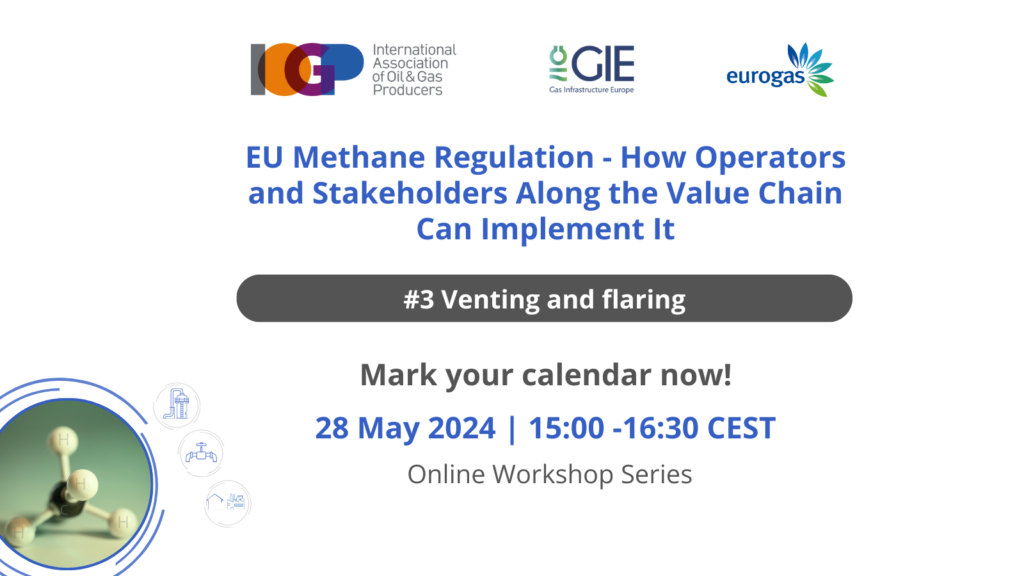
EU Methane Regulation – How Operators and Stakeholders Can Implement It #3

SPE Europe Energy Conference

EU Methane Regulation – How Operators and Stakeholders Can Implement It #2
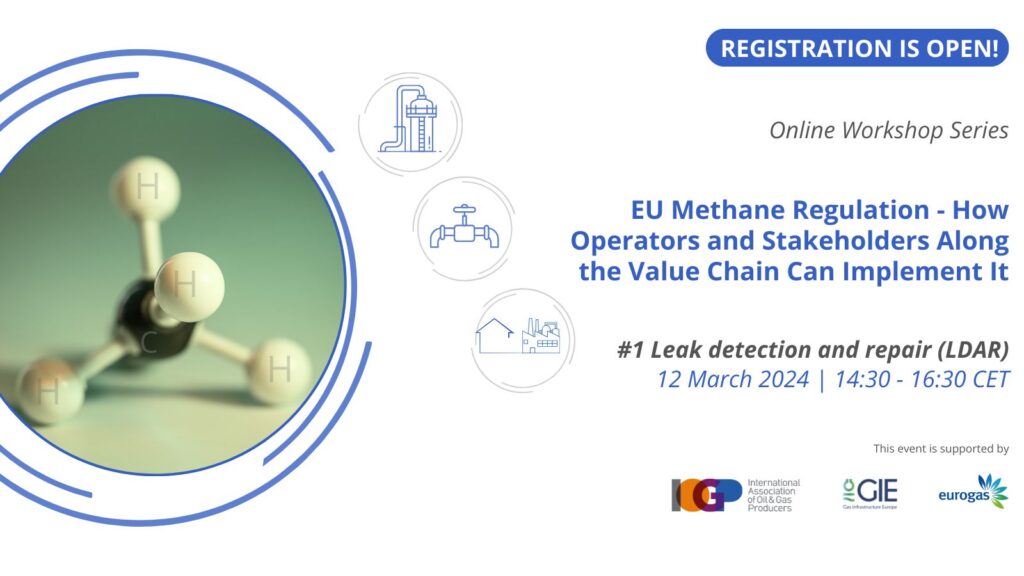
EU Methane Regulation – How Operators and Stakeholders Can Implement It #1
Methane Mitigation Europe 2024