EU Hydrogen Strategy Revision: time to correct course
The revised Hydrogen Strategy should recognise and enable every hydrogen production pathway that meets the 70% GHG threshold, regardless of the technology or energy source. A technology-neutral framework would allow all of them to count towards compliance and qualify for support. Coupled with real demand for low-carbon products, this will give industry more affordable ways to decarbonise and strengthen Europe’s resilience and security of supply.
The 2020 Hydrogen Strategy set an overambitious target and bet primarily on renewable hydrogen, an approach later locked in by RFNBO-only targets. It had limited success. Six years on, the EU consumes 7–8 Mt of hydrogen a year, almost all of it unabated, and planned projects would not even cover the 3–4 Mt of renewable hydrogen that RED III requires by 2030, let alone the 10 Mt goal. The ongoing revision is the moment to correct course. A strategy built on the same assumptions could cost the EU further critical years, along with industrial capacity it may not win back. We call for a technology-neutral, market-based, and simple framework that enables renewable and low-carbon hydrogen pathways to contribute to decarbonisation while maintaining robust GHG performance and safeguarding existing investments.
Technology-neutral incentives are key for market development: The 2020 Strategy defines “clean” hydrogen as renewable hydrogen only, leaving other low-emission pathways with secondary status. That choice has channeled support into a single pathway, narrowing the technology base and raising costs. Despite sizable investments, renewable hydrogen still costs around twice as much to produce as low-carbon hydrogen from natural gas with CCS, and four times as much as conventional hydrogen. The revised Strategy should recognise and enable all forms of hydrogen that meet the 70% lifecycle emissions reduction threshold set in EU law. That includes renewable hydrogen, hydrogen from natural gas with CCS, methane pyrolysis, nuclear and other low-carbon electricity, waste-based routes and natural hydrogen.
CCS-based hydrogen can deliver early volumes and pave the way for renewables: Low-carbon hydrogen is recognised in EU law but has no real place in the framework. Only RFNBO can be used for compliance, and almost all funding is reserved for it. This sidelines CCS-based hydrogen (blue hydrogen), even though its production costs could be two to three times lower than those of renewable hydrogen. From retrofitted and new plants (e.g. autothermal reforming), it can provide large-scale baseload supply. Those early volumes would justify the networks, storage and industrial conversion that renewable hydrogen will later use, so it prepares the ground for a higher uptake of renewables while avoiding stranded assets or lock-in effects. As renewable shares grow, it continues to complement weather-dependent production and keep industrial supply reliable, within life-cycle GHG limits.
Hydrogen can decarbonise hard-to-electrify industry at scale while enhancing resilience: Hydrogen’s case does not rest on climate policy alone. For industries Europe cannot afford to lose, such as refining, steel, ammonia, shipping and aviation, hydrogen is one of the few scalable ways to cut emissions. It can also store energy and help integrate variable renewables, and a diversified supply base could strengthen Europe’s energy security and strategic autonomy. The revised Strategy should therefore treat hydrogen as part of Europe’s industrial resilience and security of supply. Rather than setting new volume targets, it should create the conditions for demand to develop where hydrogen is the best option, regardless of the form of production.
Keep what works, but widen compliance pathways instead of rigid technology-specific mandates: Under the current framework the only compliance pathway is RFNBO hydrogen. The likely result is non-compliance, relocation of industry, or inaction, not decarbonisation. A single compliance route also ignores how much Europe’s regions differ in renewable potential, grid carbon intensity, access to CO₂ storage and industrial structure. The revision should maintain incentives for renewable hydrogen deployment, but additional compliant low-carbon pathways would enable Member States andindustries to choose the most affordable option to decarbonise while remaining competitive. This includes keeping the “refinery route” as a long-term compliance option beyond 2030. Refineries are the EU’s largest hydrogen consumers, with the infrastructure, offtake and know-how already in place; decarbonising existing refinery hydrogen provides one of the fastest and most certain ways to build volumes at scale, and anchors the supply chain other sectors will later use.
Create demand that absorbs the premium for low-carbon products: Supply-side support alone will not create a market. Low-carbon steel, ammonia, fertilisers, and fuels currently have no market that pays for their lower carbon intensity, so the cost premium stays with the producer or the first user. The Strategy should stimulate market-based mechanisms that value products by their life-cycle CO₂ performance, such as product carbon-intensity standards and non-price criteria, and spread costs across the value chain and towards final demand rather than placing them on a single link, least of all on energy-intensive users already exposed to global competition.
Prioritise cross-border infrastructure between supply and demand centres: Projects cannot reach final investment decision without a route to market, and networks will not be built without contracted volumes. The Strategy should support the gradual development of regional and cross-border infrastructure connecting competitive supply regions and import points with demand clusters, in line with credible market uptake, production and demand development.
Infrastructure planning should avoid premature or oversized investments and ensure that infrastructure develops in step with demonstrated market needs. Planning and permitting for mature infrastructure projects supported by credible supply and demand perspectives, and for the CO₂ transport and storage networks that low-carbon hydrogen depends on, should be fast-tracked. Wherever possible, existing oil and gas assets should be repurposed. Cost-recovery mechanisms (e.g. Intertemporal Cost Allocation Mechanism) should also avoid placing the disproportionate upfront cost of infrastructure on first movers or individual offtakers. Where appropriate, infrastructure costs should be recovered progressively over the lifetime of the assets and across their expected user base, while avoiding undue cross-subsidisation from electricity and gas consumers.
Funding and support exists but does not trigger sufficient investment: Public funding is available but fragmented, complex and poorly matched to where demand actually is. Weak non-price criteria let projects win support and then never materialise. Outside the Innovation Fund and IPCEI, EU instruments are almost exclusively reserved for renewable hydrogen. The revision should ensure adequate access to funding for renewable and low-carbon hydrogen, while tailoring support to the objectives of each instrument, technology maturity and specific deployment needs; simplify and align rules across EU and national schemes; strengthen non-price criteria such as delivery capability, offtake maturity and system value; and complement grants with risk-reducing tools: contracts for difference, long-term offtake support and aggregator models that bridge the gap between producer and buyer contract lengths.
A clear import strategy with trusted partners and suppliers: Domestic production and imports will both have an important role in meeting EU hydrogen demand at competitive cost. The Strategy should give imports a clear role, building on the Clean Trade and Investment Partnerships with trusted third countries able to supply affordable hydrogen and derivatives that achieve equivalence with EU standards. At the same time, the Strategy should recognise the strategic value of competitive European hydrogen production and value chains for industrial resilience, security of supply and the
transformation of existing industrial assets.
The first Strategy established the foundations for renewable hydrogen deployment, but experience shows that a broader and more flexible framework is needed to accelerate the hydrogen market. The revision should enable every renewable and low-carbon-compliant pathway to contribute where it delivers the most value. That means access for every pathway above the 70% GHG-saving threshold and reward in line with the emissions it avoids, flexible compliance, real demand signals, connected infrastructure, funding that leads to investment decisions, and rules stable enough to give long-term visibility.
This is the chance to get it right.
- Publications
- News
- Events
Joint statement on the European Commission’s Grids Package

IOGP Europe’s response to the Public consultation on the renewable energy framework (post-2030 RED) for the decade ahead

Joint Letter: Delivering Europe’s Hydrogen Ambitions – Joint Industry Roadmap Ahead of the First European Hydrogen Forum

IOGP Europe calls for simplification of the hydrogen regulatory framework through the Omnibus Package

Recommendations on the proposed new EU funding architecture under the MFF (2028-2034)
IOGP Europe’s response to the call for evidence on the General Block Exemption Regulation (GBER)

Ten action points for a Hydrogen Grids Strategy
IOGP Europe’s response to Draft T&Cs for the H2 Bank third auction

The Mediterranean: an energy and decarbonization opportunity for Europe

IOGP Europe views on the Grids Package

IOGP Europe response to consultation on the Industrial Decarbonisation Accelerator Act (IDAA) and call for evidence

Joint statement: Urgent need for European Commission to correct course on the draft Delegated Regulation on Low Carbon Fuels

The upcoming Grids Package: a critical opportunity not to be missed for the deployment of a European hydrogen infrastructure
Unlocking the Black Sea’s Strategic Energy Potential
EU Hydrogen Strategy needs a fundamental reset

Response to the European Commission’s consultation on the draft Clean Industrial Deal State Aid Framework (CISAF)

Public consultation on inter-temporal cost allocation mechanisms (ICA) for financing hydrogen infrastructure

Joint Statement: Call for action- Urgent need to recognise third country exports of gaseous fuels under the Union Database

Advancing a Competitive, Resilient, and Integrated Energy Market
Joint Statement: Reality Check for European Hydrogen Policy to Adjust the Course
The Case for a European CCS Bank
The Joint Statement on the Low-Carbon Fuels certification draft Delegated Act
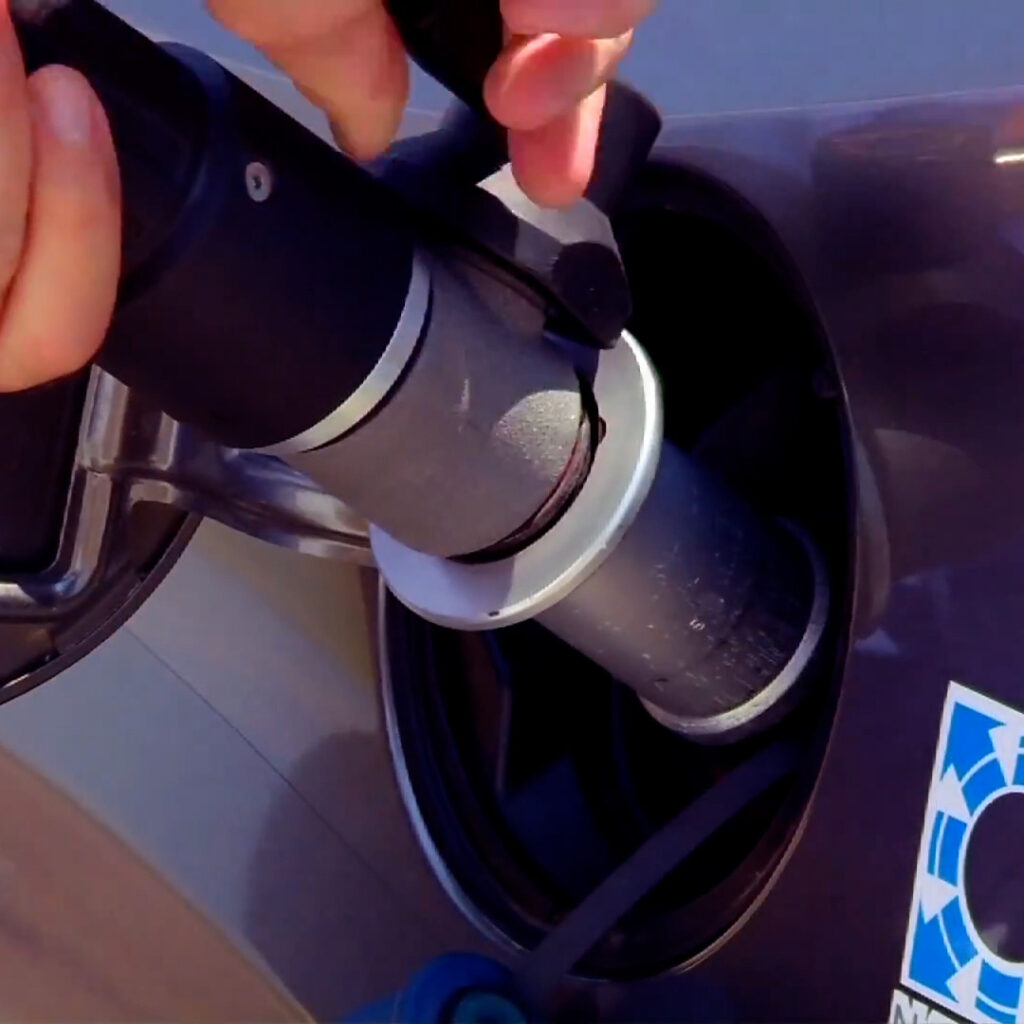
IOGP response to the public consultation on the draft Methodology to determine the greenhouse gas (GHG) emission savings of low-carbon fuels
Joint Statement on the Low-Carbon Fuels certification Delegated Act
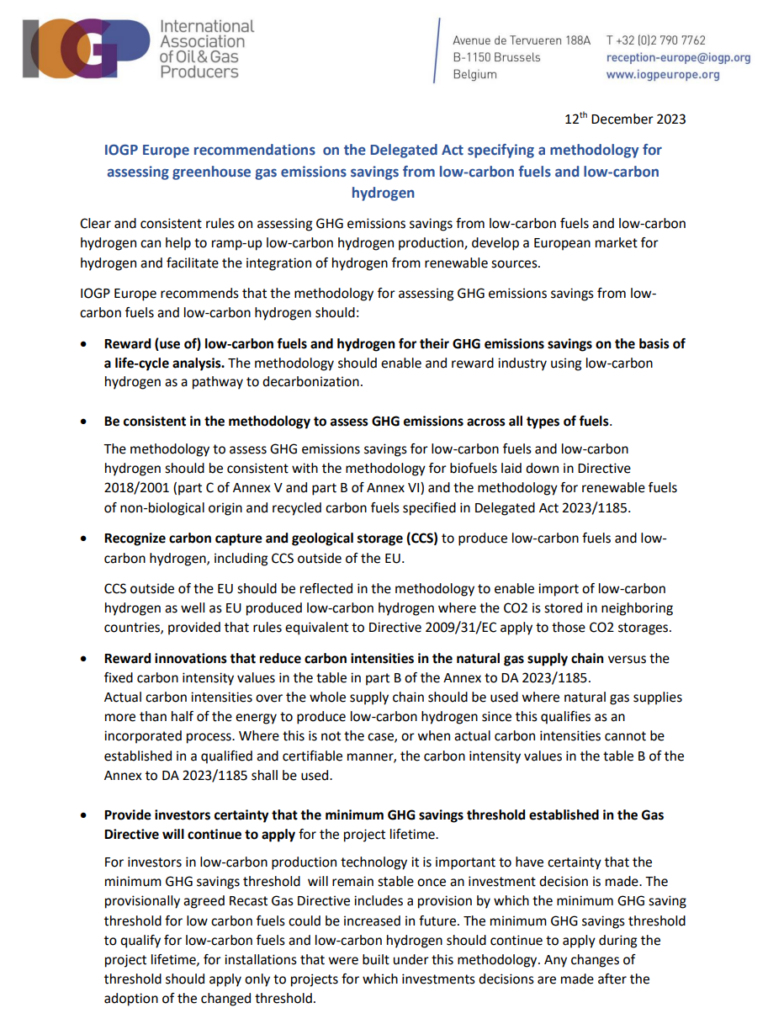
IOGP Europe recommendations on the Delegated Act specifying a methodology for assessing GHG emissions savings from low-carbon fuels and low-carbon hydrogen

IOGP position paper on the European Commission’s public consultation on the EU climate target for 2040
IOGP position on capital requirements
IOGP response on Competitive Bidding schemes for hydrogen under the Innovation Fund
IOGP response on revamping the Strategic Energy Technology (SET) Plan
IOGP response to the public consultation on the Hydrogen and Decarbonized Gas Market package
IOGP comments to R. W. Howarth and M. Z. Jacobson (2021): How Green is Blue Hydrogen?
IOGP response to the public consultation on the Renewable Energy Directive (RED) proposal

IOGP response to public consultation on the revised Climate, Energy and Environmental Aid Guidelines (CEEAG)
IOGP Paper on metric to use for 2030 targets
IOGP input to the consultation on the Hydrogen and Gas Market Decarbonization Package

Response to consultation on costs of implementing MRV regulation based on OGMP

IOGP response to the roadmap on the modification of the General Block Exemption Regulation (GBER)
IOGP response to the roadmap and inception impact assessment concerning revision of the 3rd Gas Package
IOGP written input to the consultation “Maritime sector – a green post-COVID future”
What’s Right? What’s Wrong? IOGP comments on the ‘EU Strategy for Energy System Integration’ and ‘A hydrogen strategy for a climate neutral Europe’

IOGP response to the inception impact assessment concerning the revision of the 2018 Renewable Energy Directive (REDII)
IOGP response to the public consultation on the revision of Regulation (EU) 347/2013 on guidelines for TEN-E Regulation
IOGP response to targeted consultation on the revision of Regulation (EU) 347/2013 on guidelines for TEN-E Regulation

IOGP input to the Roadmap on the EU Smart System Integration
IOGP input to the Roadmap on the EU strategy on hydrogen in Europe
IOGP feedback to the Combined Evaluation Roadmap/Inception Impact Assessment on the revision of Regulation (EU) 347/2013 on guidelines for TEN-E

IOGP input to the forthcoming EU Strategy for Energy System Integration
IOGP assessment of National Energy and Climate Plans

Scaling up Hydrogen in Europe
Hydrogen for Europe Pre-study – Key findings
IOGP assessment of draft National Energy and Climate Plans
Hydrogen for Europe

New Pact for the Mediterranean: an opportunity to foster the region’s energy integration

EU Low-Carbon Hydrogen production rules are not the signal investors were waiting for
Press release: 2040 Climate trajectory requires urgent action on policy enablers
Press release: State Aid Framework for Clean Industrial Deal marks a turn towards pragmatic decarbonization
Press release: Low-carbon fuels methodology envisaged by the Commission will block key hydrogen production pathways
Draghi Report: a pragmatic pathway to Competitiveness, Sustainability, and Resilience
Letter: IOGP Europe recommendations on the Hydrogen and Decarbonized Gas Market Package
Letter: Open, inclusive, and pragmatic Green Deal Industrial Plan for Europe
Gas market reform marks a step change in EU approach to the transition
New Re-Stream study assesses the feasibility of transport of hydrogen and CO2 in European gas and oil infrastructure
Letter: Call for a technology-inclusive revision of the TEN-E Regulation
“Hydrogen for Europe” study launch
Towards greater hydrogen production capacity in Europe
Letter: IOGP input on the European Commission’s consultation on the priority list for the development of gas network codes and guidelines for 2021 (and beyond)
Council’s inclusive approach to hydrogen sends strong signal ahead of key legislative year
EU’s hydrogen and energy system vision can only succeed with a more balanced, inclusive approach

Wide industry coalition call for a Hydrogen Strategy inclusive of all clean hydrogen pathways
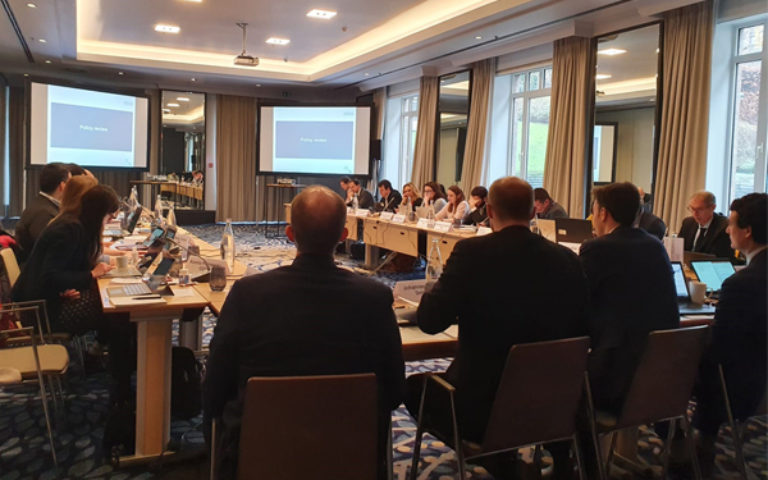
Hydrogen for Europe: 1st Working Group Meeting






The Europe CCUS & Hydrogen Decarbonisation Summit
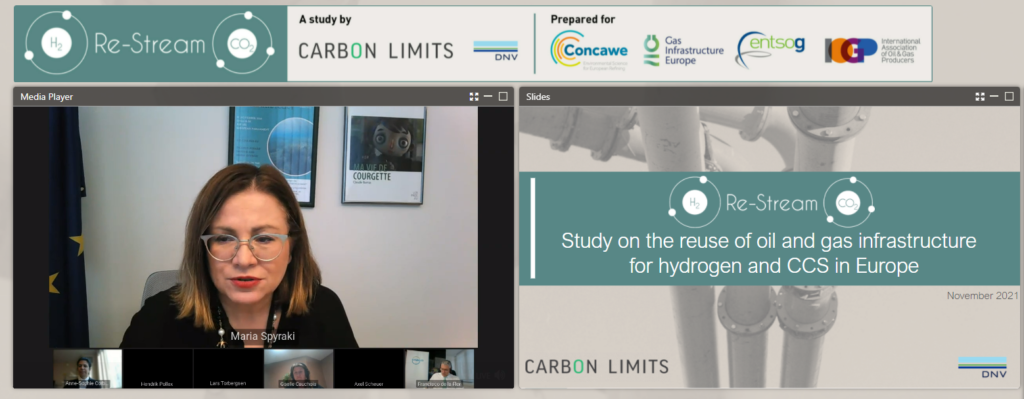
Re-Stream Study Launch Event
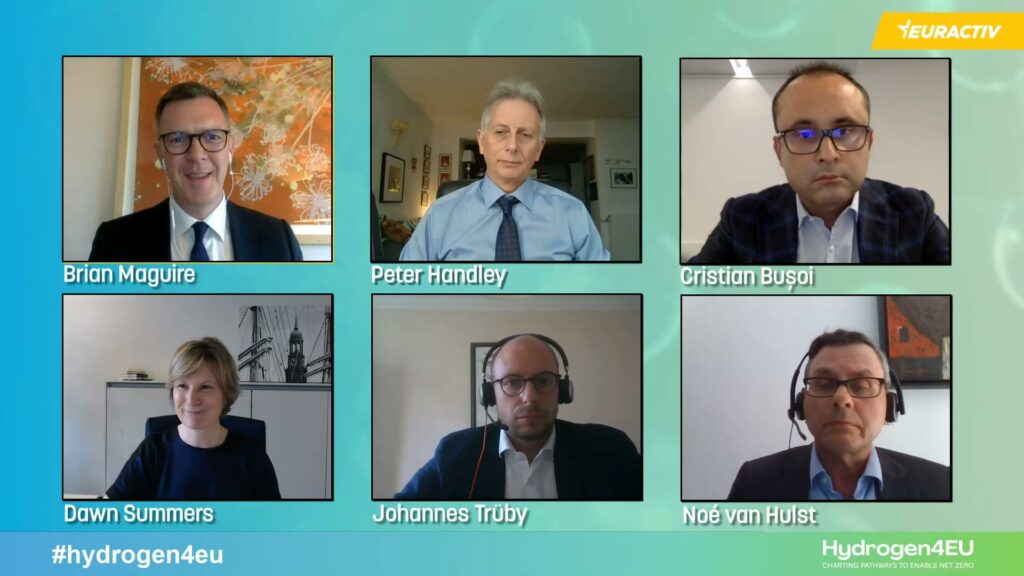
Hydrogen4EU Launch Event

Sustainable finance: investor, oil and gas sector and global perspectives

Carbon Management Webinars

Sustainable finance: non-financial disclosure for the oil and gas sector and EU taxonomy in practice