IOGP Europe calls for simplification of the hydrogen regulatory framework through the Omnibus Package
We support the European Commission’s simplification agenda, as outlined in President von der Leyen’s Political Guidelines 2024–2029 and reaffirmed in the State of the Union on 10th September 2025, which underline that regulatory simplification is a central and urgent political priority for this Commission.
We also note the European Court of Auditors’ call for a revision of the EU Hydrogen Strategy and welcome the Commission’s willingness to engage in this process. The EU’s current regulatory framework for hydrogen, while ambitious in its intent, has become too complex and fragmented to effectively support the scale-up of a competitive hydrogen economy. Its prescriptive, technology-preferential approach - focused narrowly on renewable hydrogen - fails to reflect the full diversity of cost-effective and regionally suitable low-carbon hydrogen production pathways. As a result, it risks increasing the cost of decarbonization, slowing industrial transformation, and undermining Europe's energy and climate ambitions.
At a time when Europe’s global competitiveness is under pressure, companies urgently need a clear and credible signal that reducing regulatory burden is a top priority. The shift in focus across EU institutions toward competitiveness, simplification, and better regulation is a welcome development.
In this context, we call for the simplification of hydrogen-relevant legislation - particularly the Renewable Energy Directive (RED III), ReFuelEU Aviation Regulation, and the Gas Directive – through the Omnibus package.
Targeted modifications to these regulations would enable much-needed simplification, flexibility, and technological neutrality, including:
- Renewable Energy Directive (RED III)(2023/2413): Provide flexibility for reaching the renewable hydrogen industrial target by making it more technology-neutral, enabling different regions to take advantage of the most suitable
hydrogen production pathways available, thus ensuring cost-effective and competitive hydrogen options for industry to contribute to EU climate goals effectively. Align the rules for recognizing CCS in third countries with the Lowcarbon Fuels Delegated Act. - ReFuelEU Aviation (Regulation 2023/2405): Make synthetic low-carbon aviation fuels technology-neutral by ensuring that all fuels meeting the Low-Carbon Fuels (LCF) definition are eligible, irrespective of their energy source or production pathway.
- Gas Directive (Regulation 2024/1788): Introduce a grandfathering clause to protect Low Carbon Fuels projects past Final Investment Decision (FID) from disruptive future regulatory changes, thereby securing investor confidence and supporting sustained decarbonization.
These changes represent critical steps toward reducing regulatory burdens, unlocking investment, and accelerating the scale-up of clean hydrogen and sustainable fuels across Europe.
Download the document to find our more specific recommendations on how to achieve this.

- Publications
- News
- Events

Recommendations on the proposed new EU funding architecture under the MFF (2028-2034)
IOGP Europe’s response to the call for evidence on the General Block Exemption Regulation (GBER)

Ten action points for a Hydrogen Grids Strategy
IOGP Europe’s response to Draft T&Cs for the H2 Bank third auction
The Mediterranean: an energy and decarbonization opportunity for Europe

IOGP Europe views on the Grids Package

IOGP Europe response to consultation on the Industrial Decarbonisation Accelerator Act (IDAA) and call for evidence

Joint statement: Urgent need for European Commission to correct course on the draft Delegated Regulation on Low Carbon Fuels

The upcoming Grids Package: a critical opportunity not to be missed for the deployment of a European hydrogen infrastructure
Unlocking the Black Sea’s Strategic Energy Potential
EU Hydrogen Strategy needs a fundamental reset

Response to the European Commission’s consultation on the draft Clean Industrial Deal State Aid Framework (CISAF)
Public consultation on inter-temporal cost allocation mechanisms (ICA) for financing hydrogen infrastructure

Joint Statement: Call for action- Urgent need to recognise third country exports of gaseous fuels under the Union Database

Advancing a Competitive, Resilient, and Integrated Energy Market
Joint Statement: Reality Check for European Hydrogen Policy to Adjust the Course
The Case for a European CCS Bank
The Joint Statement on the Low-Carbon Fuels certification draft Delegated Act
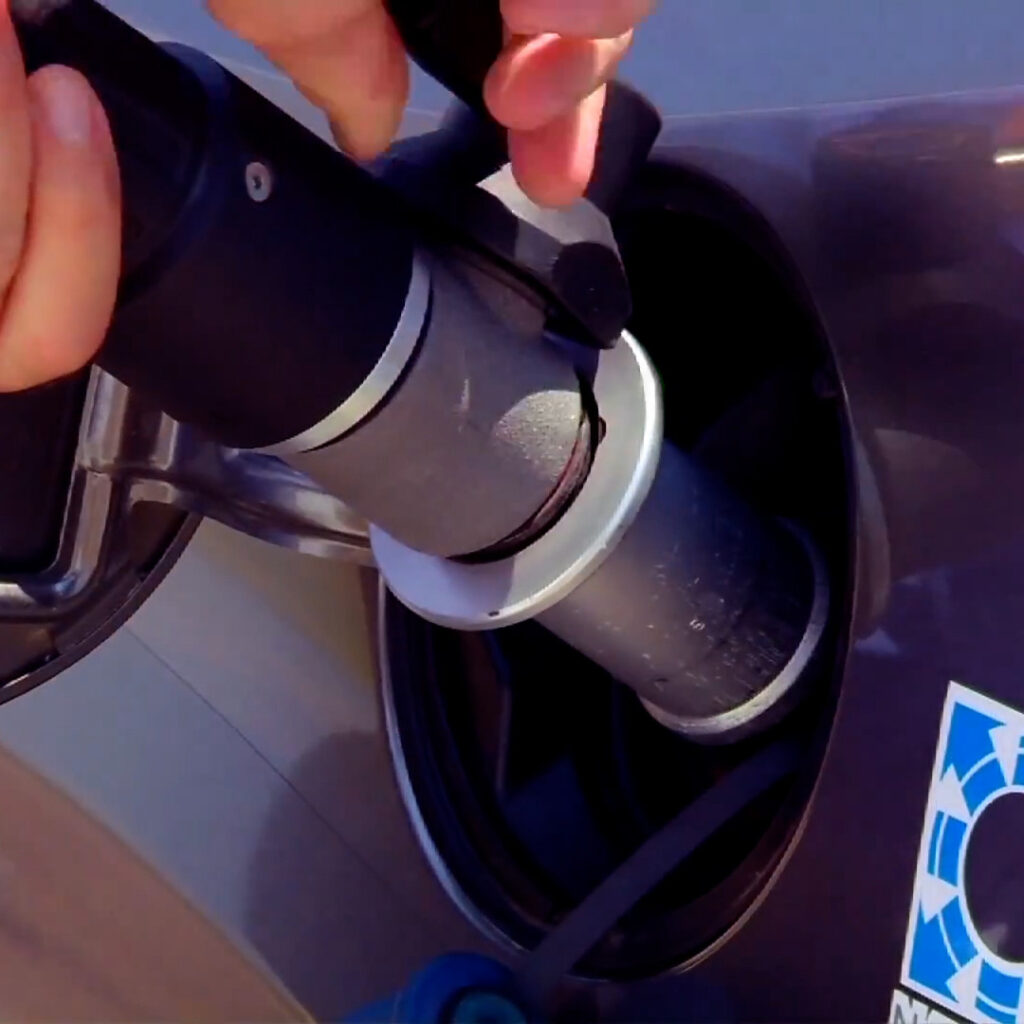
IOGP response to the public consultation on the draft Methodology to determine the greenhouse gas (GHG) emission savings of low-carbon fuels
Joint Statement on the Low-Carbon Fuels certification Delegated Act
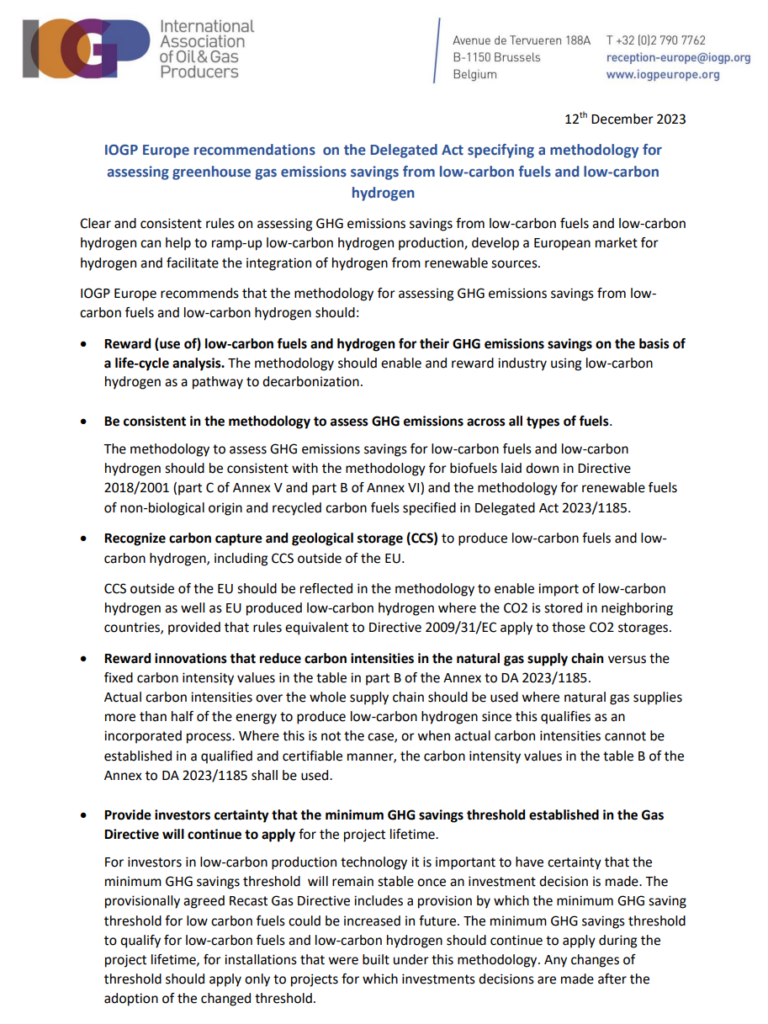
IOGP Europe recommendations on the Delegated Act specifying a methodology for assessing GHG emissions savings from low-carbon fuels and low-carbon hydrogen
IOGP position paper on the European Commission’s public consultation on the EU climate target for 2040
IOGP position on capital requirements
IOGP response on Competitive Bidding schemes for hydrogen under the Innovation Fund
IOGP response on revamping the Strategic Energy Technology (SET) Plan
IOGP response to the public consultation on the Hydrogen and Decarbonized Gas Market package
IOGP comments to R. W. Howarth and M. Z. Jacobson (2021): How Green is Blue Hydrogen?
IOGP response to the public consultation on the Renewable Energy Directive (RED) proposal
IOGP response to public consultation on the revised Climate, Energy and Environmental Aid Guidelines (CEEAG)
IOGP Paper on metric to use for 2030 targets
IOGP input to the consultation on the Hydrogen and Gas Market Decarbonization Package

Response to consultation on costs of implementing MRV regulation based on OGMP
IOGP response to the roadmap on the modification of the General Block Exemption Regulation (GBER)
IOGP response to the roadmap and inception impact assessment concerning revision of the 3rd Gas Package
IOGP written input to the consultation “Maritime sector – a green post-COVID future”
What’s Right? What’s Wrong? IOGP comments on the ‘EU Strategy for Energy System Integration’ and ‘A hydrogen strategy for a climate neutral Europe’
IOGP response to the inception impact assessment concerning the revision of the 2018 Renewable Energy Directive (REDII)
IOGP response to the public consultation on the revision of Regulation (EU) 347/2013 on guidelines for TEN-E Regulation
IOGP response to targeted consultation on the revision of Regulation (EU) 347/2013 on guidelines for TEN-E Regulation
IOGP input to the Roadmap on the EU Smart System Integration
IOGP input to the Roadmap on the EU strategy on hydrogen in Europe
IOGP feedback to the Combined Evaluation Roadmap/Inception Impact Assessment on the revision of Regulation (EU) 347/2013 on guidelines for TEN-E
IOGP input to the forthcoming EU Strategy for Energy System Integration
IOGP assessment of National Energy and Climate Plans

Scaling up Hydrogen in Europe
Hydrogen for Europe Pre-study – Key findings
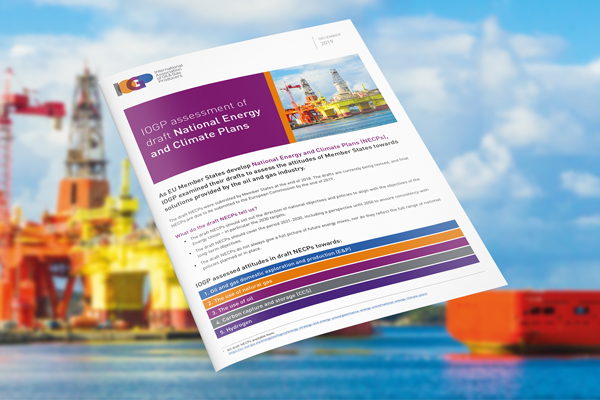
IOGP assessment of draft National Energy and Climate Plans
Hydrogen for Europe

New Pact for the Mediterranean: an opportunity to foster the region’s energy integration

EU Low-Carbon Hydrogen production rules are not the signal investors were waiting for
Press release: 2040 Climate trajectory requires urgent action on policy enablers
Press release: State Aid Framework for Clean Industrial Deal marks a turn towards pragmatic decarbonization
Press release: Low-carbon fuels methodology envisaged by the Commission will block key hydrogen production pathways
Draghi Report: a pragmatic pathway to Competitiveness, Sustainability, and Resilience
Letter: IOGP Europe recommendations on the Hydrogen and Decarbonized Gas Market Package
Letter: Open, inclusive, and pragmatic Green Deal Industrial Plan for Europe
Gas market reform marks a step change in EU approach to the transition
New Re-Stream study assesses the feasibility of transport of hydrogen and CO2 in European gas and oil infrastructure
Letter: Call for a technology-inclusive revision of the TEN-E Regulation
“Hydrogen for Europe” study launch
Towards greater hydrogen production capacity in Europe
Letter: IOGP input on the European Commission’s consultation on the priority list for the development of gas network codes and guidelines for 2021 (and beyond)
Council’s inclusive approach to hydrogen sends strong signal ahead of key legislative year
EU’s hydrogen and energy system vision can only succeed with a more balanced, inclusive approach
Wide industry coalition call for a Hydrogen Strategy inclusive of all clean hydrogen pathways
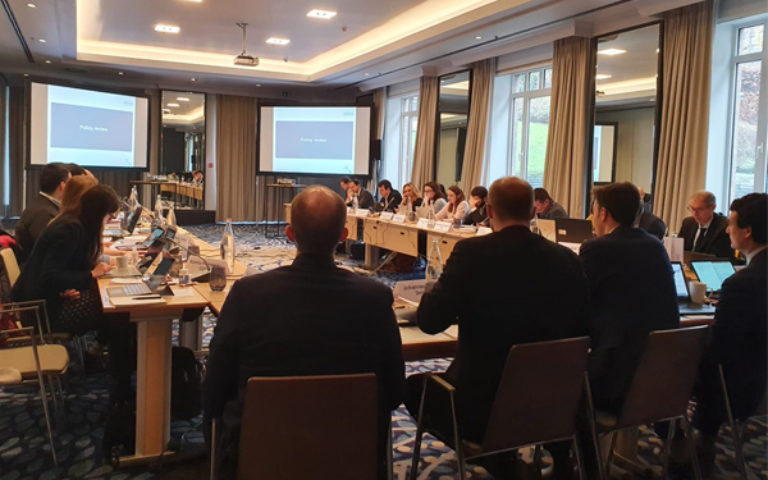
Hydrogen for Europe: 1st Working Group Meeting

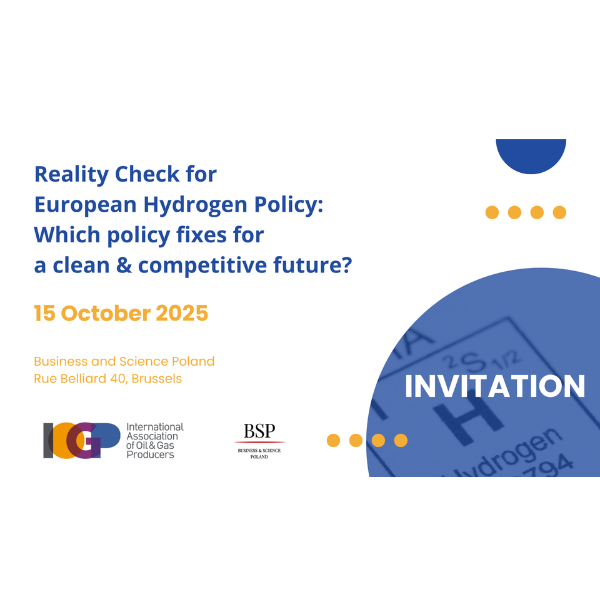




The Europe CCUS & Hydrogen Decarbonisation Summit
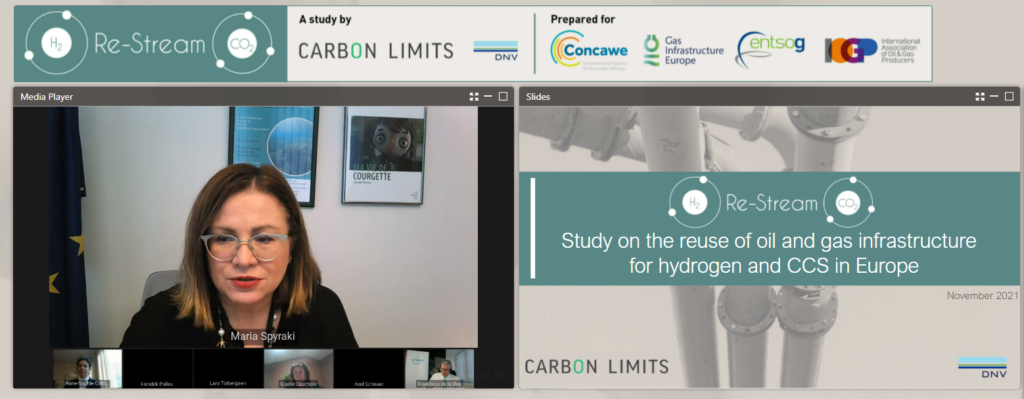
Re-Stream Study Launch Event
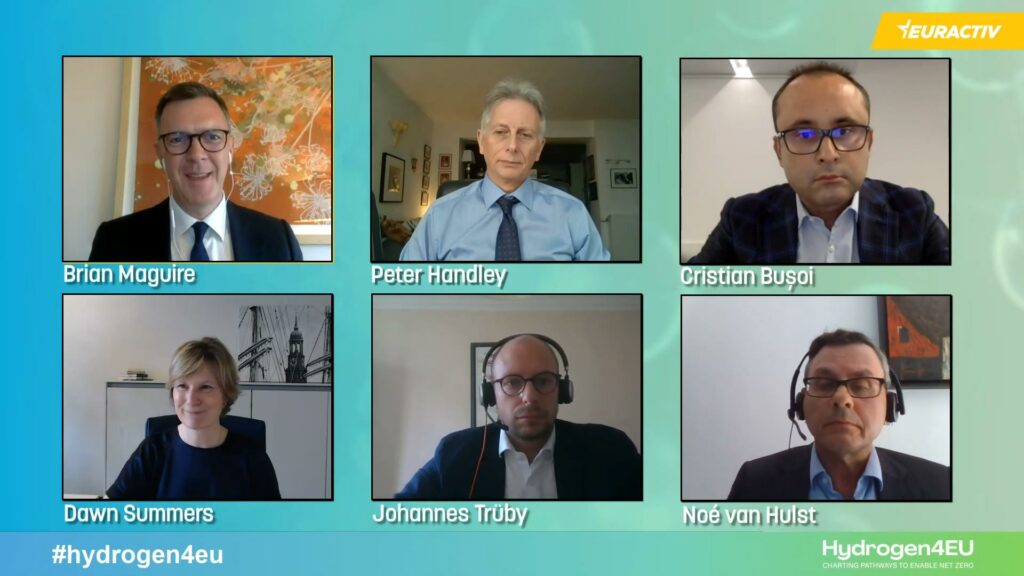
Hydrogen4EU Launch Event

Sustainable finance: investor, oil and gas sector and global perspectives
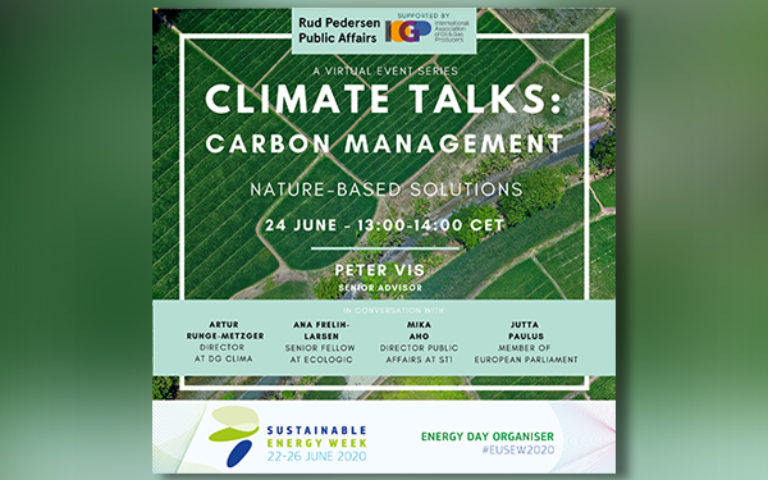
Carbon Management Webinars

Sustainable finance: non-financial disclosure for the oil and gas sector and EU taxonomy in practice