Joint industry reaction and recommendations: EU Methane Regulation – DG ENER Recommendations
The EU Methane Regulation’s (EUMR) main import obligations take legal effect from 1 January 2027, but the framework needed to comply with them has yet to be fully defined and deployed. Furthermore, the Commission has not carried out a comprehensive assessment of either the feasibility of compliance or its potential impact for the EU. In particular, it has not evaluated how implementation would affect methane emissions reductions, competitiveness, and the security and diversification of energy supply.
This is a critical challenge for the pragmatic implementation of the Regulation, which the Commission, Member States and industry all face, and while efforts to assist Member States are welcome, they are not able to address the serious risks EU importers are facing from January 2027.
The industry is committed to further reducing methane emissions. Importers are committed to compliance and do not seek reduced penalties or weaker obligations, but the time and tools necessary to make compliance genuinely achievable for the crude oil and gas that Europe needs.
Member States must also understand and acknowledge the challenges involved as well as the consequences of adapting the current European supply model within global energy markets to the constraints of available EUMR-compliant supply.
For these reasons, targeted amendments to the Regulation and a time-limited 3-year postponement of the relevant obligations under Chapter V, in particular Art. 28(1), 28(2) and 29(1), are necessary to ensure a practical and effective implementation framework. This postponement should be implemented through a binding EU-level legal measure: non-binding Recommendations or national enforcement discretion cannot provide legal certainty or harmonised application.
This is not a request to weaken the Regulation or to delay its objectives. It is a request to ensure that when obligations are enforced, the systems to fulfil them actually exist. A postponement would provide the Commission, Member States and industry with the time needed to:
- Complete the accreditation, verification and certification frameworks at the scale required, both within the EU and in exporting countries;
- Develop and deploy compliance solutions that are globally available and consistently recognised across Member States;
- Conduct a rigorous assessment of the feasibility of compliance and the consequences of implementation for European energy security, competitiveness and supply diversification to prepare an earlier review of the Regulation; and
- Establish the legal certainty and harmonisation across Member States that only binding obligations can provide.
The Commission has issued Recommendations on the application of penalties, the acceptability of compliance solutions and optional model contract clauses. These acknowledge the implementation gap but do not close it.
1. The Recommendation on penalties does not address the underlying issues faced by obligated parties: key elements required for compliance from 1 January 2027 and August 2028 still remain either unavailable or insufficiently developed. These obstacles are not new: they have been consistently highlighted by the industry, Member States and other stakeholders, even before the Middle East crisis – now serving as the Recommendation’s sole justification. The Recommendation does not address all the risks faced by importers forced into non-compliance, nor does it make compliance possible. Until the necessary frameworks are in place – which will require time – importers will face legal obligations that cannot yet be fulfilled in practice. In addition, even assuming implementation of the Recommendation, it is still likely that the limited protection may lapse before compliance is even feasible.
2. The Recommendation on voluntary compliance approaches sets out useful criteria, but the solutions themselves depend on three conditions outside industry’s control: they must meet the criteria specified in the EUMR and the EC Recommendations, they must be available at scale and globally, and they must be recognised consistently across Member States. None of these conditions can be assumed, and several of the Recommendation’s own requirements would only further delay availability.
Implications of the current implementation gap
The Recommendations, even if adopted urgently by all Member States in a harmonised manner – an unlikely scenario – would still require importers negotiating contracts today to put themselves into a position of non-compliance, with the only temporary relief that they would not be financially penalised. They would still be exposed to risks to their reputation, corporate governance and future legal challenges and would have no confidence that compliance will be achievable in the future, after the waiver expires. The consequences of this gap fall not on importers alone, but on the security and affordability of Europe’s energy supply and on the effective functioning of the EU single market.
Security and affordability of supply are directly exposed. Commercial decisions shaping Europe's future energy supply are being taken now, and companies negotiating long-term contracts and procurement arrangements must weigh whether to commit volumes to the EU under a framework where compliance may be impossible to demonstrate.
The absence of visible market effects today should not be mistaken for evidence that the problem is manageable. Many longer-term LNG contracts are concluded on a Free on Board (FOB) basis, allowing cargoes to be redirected globally rather than committed to European destinations; and decisions shaping 2027 supply, particularly for crude oil, are being taken predominantly in the second half of 2026. By the time the consequences become visible in European markets, contracts may already have been concluded and volumes committed elsewhere.
The single market risks fragmentation. Recommendations are by nature non-binding: they cannot provide the necessary legal certainty until they are reflected in binding legal provisions at national level consistently across the Union. Leaving this to Member States, without proper harmonisation, risks fragmentation of the single market.
Finally, with a view to assessing the effectiveness of the EU’s contribution to global methane emissions mitigation, the absence of an analysis of the feasibility and consequences of adapting EU energy imports to the requirements imposed on importers hampers the understanding of the associated challenges and limits the debate on whether the Regulation is suitable for achieving its intended objectives efficiently.
The objective should not be to manage non-compliance; it should be to make compliance possible. A postponement can be delivered through various means, each presenting different pros/cons and timelines. We are ready to discuss these options in detail.
Signatories









- Publications
- News
- Events
18 Organizations send a Joint Industry Letter to European Council on the EU Methane Regulation

EU Methane Regulation Joint Statement ahead of next European Council and TTE Council of June 2026

Joint industry recommendations for simplification of the importer requirements of the EU Methane Regulation

Joint industry recommendations on DG ENER Guidance on penalties for the EUMR

75 organisations and companies call for targeted amendments to the Methane Emissions Reduction Regulation through the EU simplification agenda including the stop-the-clock
EU Methane Regulation: Joint letter to enable import provisions implementation

Joint Statement: calling for reducing methane emissions while ensuring EU energy security

EU Methane Regulation: Addressing the tracing issue to improve compliance

IOGP Europe recommendations to help the EU restore its security of supply and competitiveness through flexible and resilient energy markets.
IOGP Europe Letter to Competitiveness Council
Joint letter: Integrating the EU Methane Regulation into the EU Simplification Agenda

Action plan to address key challenges on importers’ requirements in the Methane Regulation

IOGP Europe call for inclusion of the Methane Emissions Regulation in the forthcoming Energy Omnibus Package

Our response to the EC questionnaire on LDAR minimum detection limits and first step underground leak thresholds in the EU Methane Regulation
IOGP Europe’s Position on International GHG Supply Chain MMRV Framework
IOGP response to Regulation on methane emissions reduction in the energy sector
IOGP response to public consultation on legislation to measure and mitigate methane emissions in the energy sector
IOGP answer to the EU roadmap on new rules to prevent methane leakage in the energy sector
Methane Management in the Upstream Oil and Gas Industry: Policy recommendations in the context of the EU Methane Strategy

One year delays the problem; three years will fix it: Why a three-year postponement of the EU Methane Regulation’s importer requirements is needed

State of the European Union: Europe needs energy optionality to strengthen resilience while advancing the transition
21 Energy Associations sign a Joint industry reaction to the EU Methane Regulation Recommendations
Majority of EU Member States call for postponement and targeted amendments to Methane Regulation
Joint statement: Commission Recommendations on Penalties are helpful but do not provide industry with the needed legal certainty
Industry calls for 15 targeted amendments to the EU Methane Regulation to safeguard energy security and preserve environmental ambition
75 organisations and companies call for targeted amendments to the Methane Emissions Reduction Regulation through the EU simplification agenda including the stop-the-clock
EU Methane Regulation Risks Severe Disruption to Europe’s Oil and Gas Supply from 2027
Joint Statement: calling for reducing methane emissions while ensuring EU energy security
IOGP Europe welcomes EU Energy Ministers’ call for Inclusion of the EU Methane Regulation in upcoming Energy Omnibus
Navigating the EU Methane Regulation: Insights & Challenges
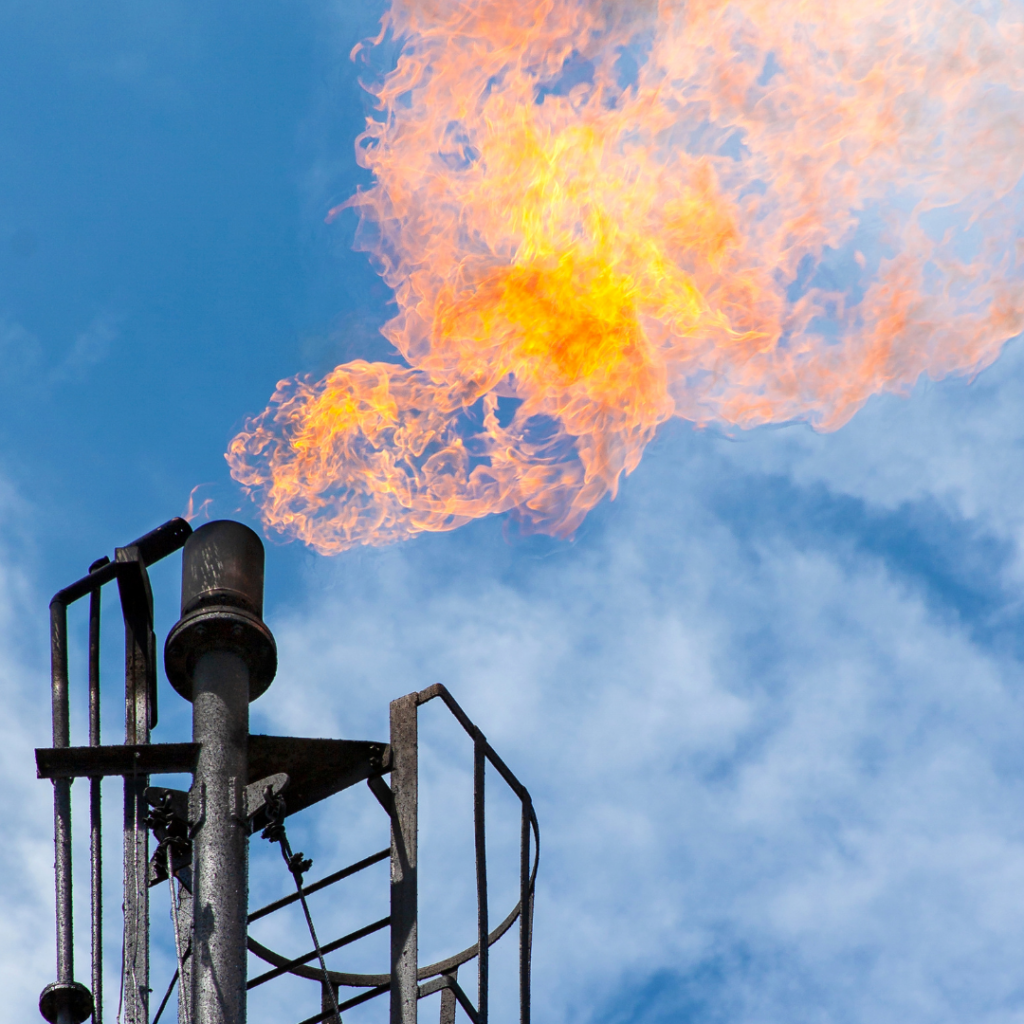
EU Approves Methane Regulation: What’s Next for the Industry?
Letter: Methane emissions reduction: call for a proportionate, efficient and implementable EU Regulation
Letter: Proposed EU Methane Regulation – International dimension of EU importer requirements
IOGP response to IEA Global Methane Tracker Report
Methane Emissions Glossary
Guidelines for Methane Emissions target setting – Press Release
EU Methane Strategy sets the right sequence to tackle the challenge

Guidelines for Methane Emissions target setting
Methane Mitigation Europe 2027


Go Net Zero Energy Summit 2026 to Bring Together CEE Leaders in Bucharest


EU Methane Regulation – How Operators and Stakeholders Can Implement It #3

SPE Europe Energy Conference

EU Methane Regulation – How Operators and Stakeholders Can Implement It #2
EU Methane Regulation – How Operators and Stakeholders Can Implement It #1