Emergency Energy Measures
Europe has faced repeated energy market stress, driven by geopolitical tensions, tight global supply and high price volatility. In response, EU institutions and Member States have considered or introduced emergency measures such as price caps, extraordinary taxation, demand aggregation and joint purchasing.
IOGP recognises the impact of high energy prices on consumers, industry and competitiveness, and supports targeted measures for vulnerable consumers.
However, emergency interventions must remain temporary, proportionate and evidence-based. They should not undermine open, competitive and liquid markets, clear price signals, stable fiscal frameworks, security of supply or Europe’s ability to attract long-term investment.
Windfall profit tax
Summary:
Windfall profit taxes and other extraordinary fiscal measures are ad hoc interventions targeting companies’ revenues or profits during periods of high energy prices or market stress.
While such measures are often presented to raise public revenues and support consumers, they can create significant risks for Europe’s investments in energy security and infrastructure. Europe needs stable, predictable and proportionate fiscal frameworks to attract the long-term investment required to maintain, upgrade and decarbonise its energy system.
Q&A
What do such measures seek to achieve?
Extraordinary taxation measures are generally intended to capture part of the revenues or profits generated during periods of high energy prices and redistribute them to support households, businesses, or public budgets.
Protecting vulnerable consumers is a legitimate policy objective. However, this should be achieved through well-designed, targeted and predictable measures that do not undermine the investment conditions needed to safeguard Europe’s energy supply.
What are the risks?
Short-term margin peaks should not be used as a basis for assessing the long-term economic sustainability of oil and gas activities. Energy markets are cyclical, capital-intensive, and exposed to periods of both high and low margins.
Extraordinary taxation applied during periods of high margins, without equivalent treatment during downturns, can weaken a sector’s resilience, discourage long-term capital allocation, accelerate asset closures and reduce Europe’s attractiveness for global energy flows. In a supply-constrained environment, such measures fail to address the underlying causes of high prices, linked to geopolitical or geographic bottlenecks.
What principles should guide policy?
IOGP supports the protection of vulnerable consumers and recognises the pressure that high energy prices can place on households and businesses.
However, Member States and EU institutions should refrain from introducing new windfall profit taxes, “double” taxation or similar extraordinary fiscal measures at EU or national level. Europe’s security of supply and energy autonomy depends on its reliability, regulatory restraint, fiscal predictability and sufficient flexibility to enable the investments needed to maintain, upgrade and transform Europe’s energy assets and infrastructure.
Price Capping Mechanism
Summary:
Price capping mechanisms are public interventions that seek to limit wholesale gas prices during periods of market stress or high energy prices.
While such measures are often presented as tools to protect consumers from price spikes, they risk undermining Europe’s market-based price formation, reducing liquidity in energy markets and impairing the hedging instruments that producers, suppliers and consumers rely on to manage volatility.
Q&A
What do such measures seek to achieve?
Price capping mechanisms are generally intended to limit the impact of high wholesale gas prices on households, businesses and industry. They aim to reduce price volatility and provide a political response during periods of exceptional market stress.
Supporting consumers and strengthening Europe’s industrial competitiveness are legitimate objectives. However, interventions that affect wholesale price formation can create wider risks for security of supply, market functioning and financial stability.
Why are price caps problematic?
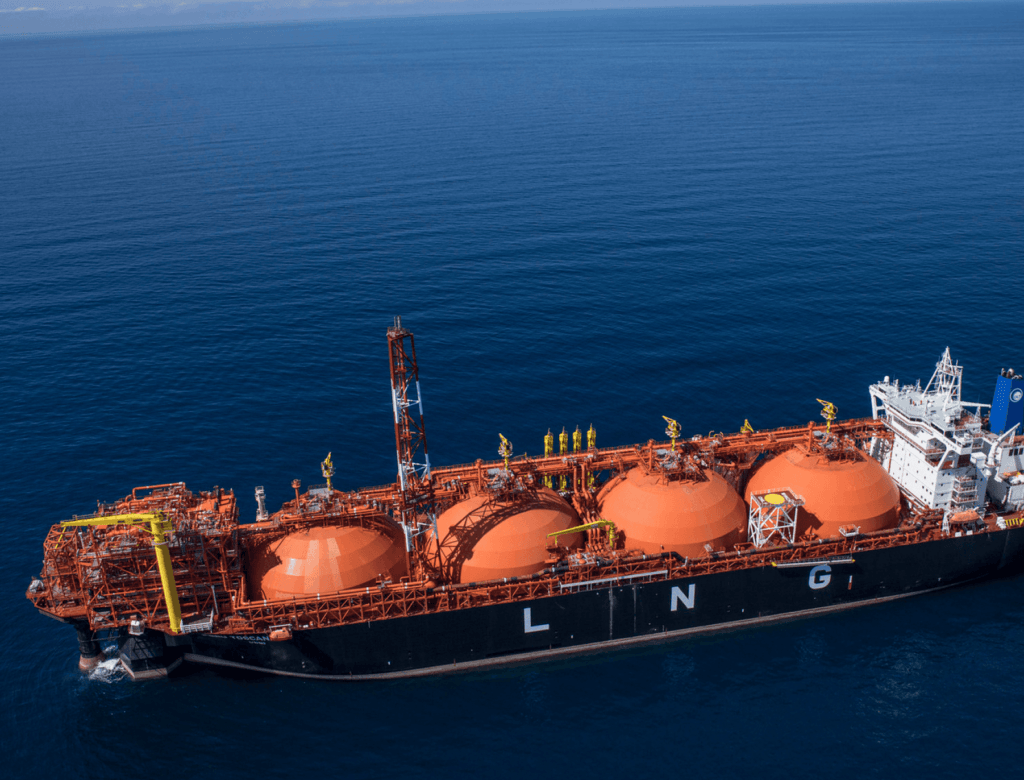
Gas is traded in a global market. LNG cargoes are flexible and tend to flow towards markets offering competitive returns. Europe’s ability to secure gas, and LNG in particular, relies on credible price signals that reflect supply and demand fundamentals.
If wholesale prices in Europe are artificially capped below global market levels, cargoes may be diverted to other regions. This could create short-term supply risks and longer-term reputational damage to Europe as a dependable trading partner. Weakening price signals can therefore have consequences well beyond the immediate period of high prices.
Do price caps address the structural causes of high prices?
Price caps do not address the underlying drivers of high energy prices, such as tight global supply, geopolitical disruption, infrastructure constraints or demand peaks. In a supply-constrained environment, artificially limiting prices may reduce the very signals needed to attract additional supply. This means that price caps may not deliver sustainable price relief for consumers.
What principles should guide policy?
European energy policy should preserve the integrity of market-based price formation, as Europe’s ability to attract global gas and LNG supplies depends on clear, credible and market-based price signals. Any public intervention to support consumers should be carefully designed, targeted and decoupled from the wholesale price formation process itself, as it could reduce Europe’s attractiveness as a destination for flexible LNG cargoes and damage confidence in European energy markets.
Price capping mechanisms should not become a structural feature of Europe’s energy market. Free and transparent price formation, based on supply and demand fundamentals, remains the best way to ensure cost-efficient and secure supplies for consumers.
Demand Aggregation and Joint Purchasing
Summary:
Demand aggregation and joint purchasing mechanisms seek to coordinate buyers’ demand for energy or other strategic commodities, with the aim of improving access to supply and strengthening purchasing power.
The EU’s approach has evolved from crisis-era gas demand aggregation into the broader EU Energy and Raw Materials Platform, which now offers aggregation and matchmaking services for a wider range of energy-related products and strategic raw materials. The Platform builds on the experience of AggregateEU, which was active from 2023 to 2025.
While voluntary aggregation and matchmaking may help some market participants identify potential suppliers, mandatory or quasi-mandatory joint purchasing risks undermining competition, market liquidity and the core principles of the EU single energy market.
Q&A
What do such measures seek to achieve?
In principle, such tools may provide additional visibility to buyers and sellers, especially in periods of market stress or for emerging markets where commercial relationships are still developing.
However, they should not replace competitive market-based procurement, nor become a structural substitute for well-functioning, transparent energy markets. The independent purchase and sale of natural gas and other energy products by market participants competing is a core element of a functioning, competitive and liquid market. It is also a cornerstone of the EU’s energy market.
What are the risks?
Mandatory or recurring joint purchasing could reduce competition between buyers, weaken price discovery and undermine the benefits that competitive energy markets have delivered over recent decades. It may also create legal and commercial uncertainty, including questions related to competition law and the risks faced by participating companies.
The experience of AggregateEU also shows the limited market appetite for such mechanisms. According to the platform operator, AggregateEU matched 42 bcm of aggregated European gas demand across four rounds in 2023. This represented less than 1% of total EU hub-traded volumes in 2023, when compared with approximately 6,896 bcm of OTC and exchange trades. This suggests that the mechanism remained marginal compared with the size and liquidity of Europe’s existing gas market.
What principles should guide policy?
Demand aggregation and joint purchasing should remain voluntary, targeted and limited in scope. Participation should not imply an obligation to conclude contracts, and companies should remain free to procure energy independently through competitive markets.
Any such mechanism should be compatible with EU competition law, preserve confidentiality of commercially sensitive information, avoid distorting price formation, and be assessed against its actual market added value.
Where such platforms exist, they should remain complementary to the market. They should facilitate information and matchmaking only where there is clear added value, without undermining competition, liquidity, existing contractual arrangements or the functioning of the EU single energy market.